
Types of Japanese Tofu

Have you ever looked at tofu at the grocery store and wondered which one to buy? All tofu may look the same, but different types have different textures and flavors. In this guide, I’ll explain the types of Japanese tofu and show you how to choose the right tofu for your recipe!
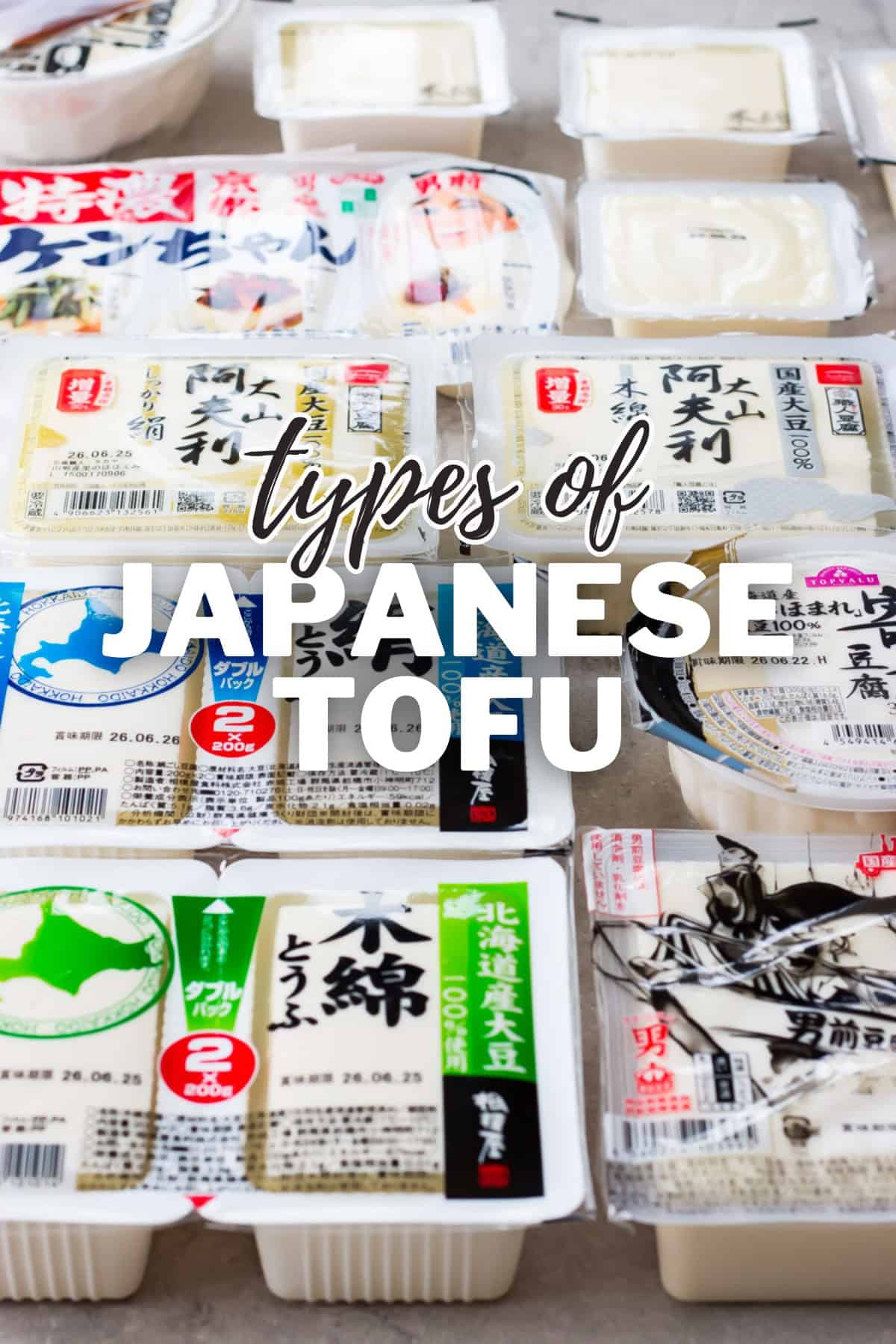
What Is Tofu Made Of?
The basic ingredients are soybeans, water, and a coagulant. Soybeans are made into soy milk, and then the soy milk is set with a coagulant, such as nigari, to make tofu.

Depending on how tofu is made and how much water is removed, the texture and name can change. In Japan, the two basic types are momen tofu and kinugoshi tofu.
Let’s take a closer look at each one.
Momen Tofu
Momen tofu (木綿豆腐) is the firmer type of Japanese tofu. To make momen tofu, soy milk is first set into curds. Then the curds are broken up and pressed with cotton cloth to remove excess water. That’s where the name comes from: “momen” means cotton in Japanese.
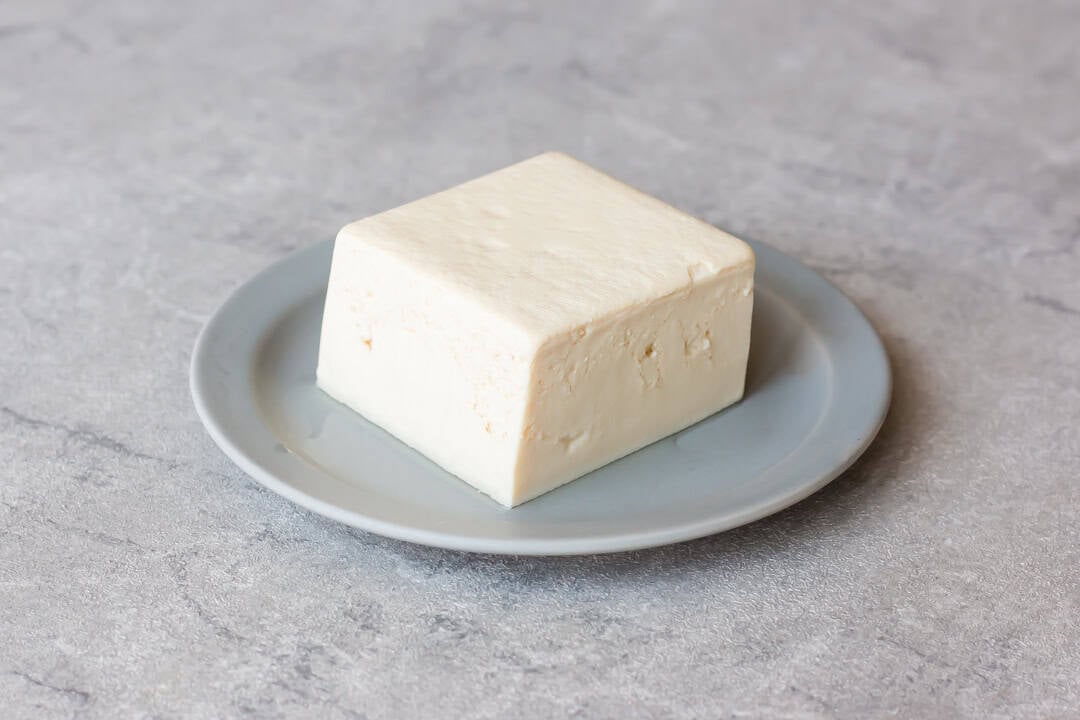
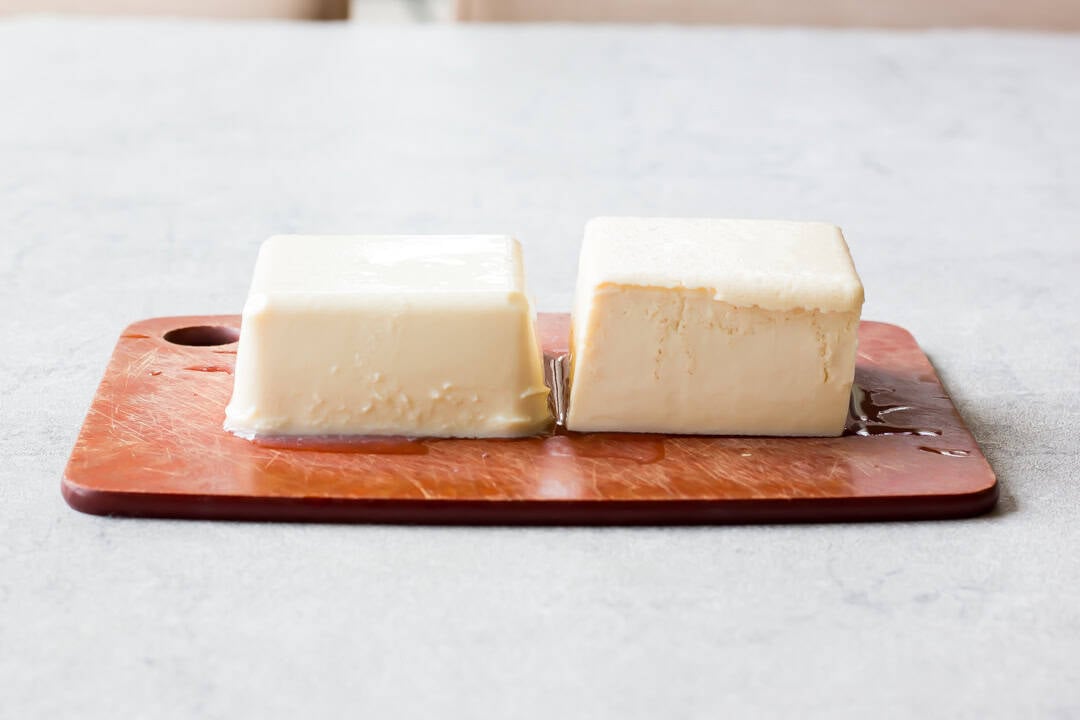
Because some of the water is removed, momen tofu has a firmer texture. It also has a slightly stronger soybean flavor, and it holds its shape better than softer tofu.
If you look closely, the surface is not completely smooth. It is a little uneven, and you can see the marks from the cotton cloth. When you touch it, it feels firm. It is easier to pick up and handle without breaking. If you look at the inside, the texture is a little coarser than kinugoshi tofu.
How Momen Tofu Is Sold
Momen tofu is usually sold in a plastic package with water.
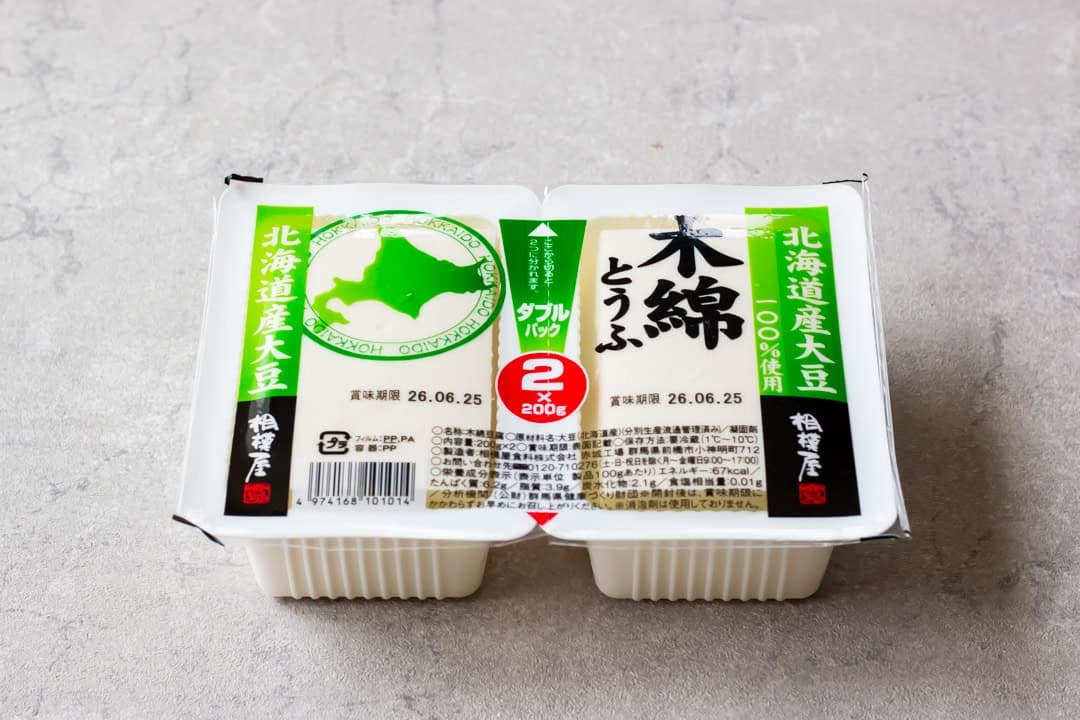
In Japan, you can find large blocks, but also smaller packs with two or three little blocks inside. The small packs are convenient when you only need a little tofu, such as for miso soup or a simple soup. For dishes that use a lot of tofu, like stir-fries or tofu steak, a larger block is usually more convenient.
The shelf life depends on the product, but many water-packed tofu products last about one week. Always check the package for storage instructions and the expiration date.
How To Use Momen Tofu
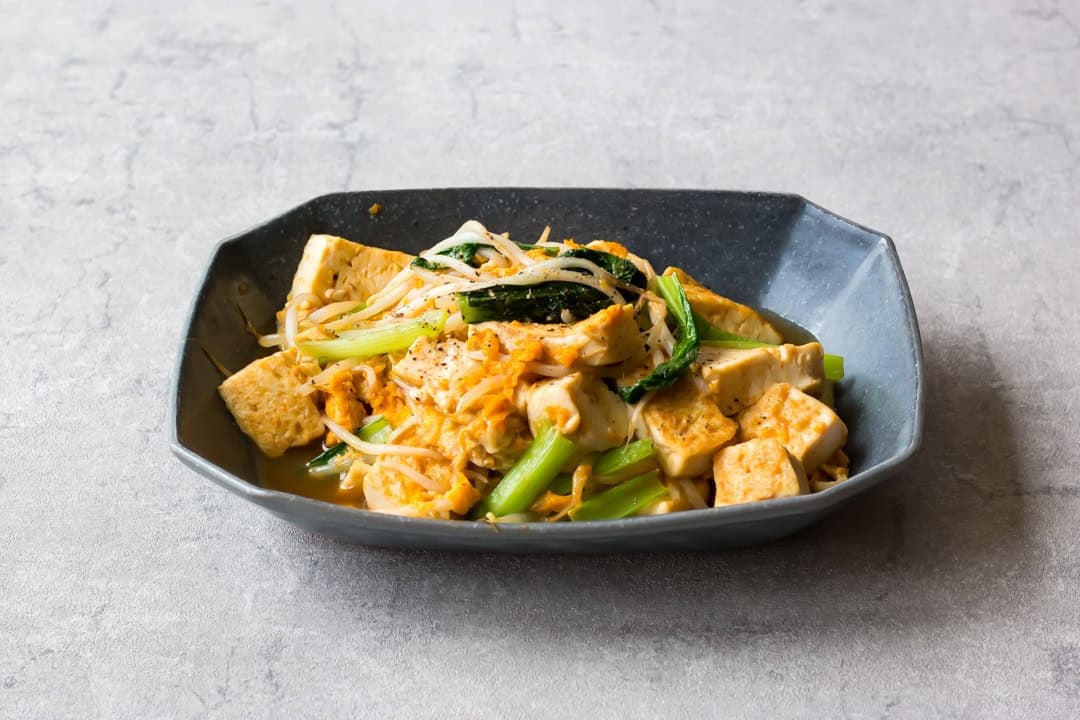
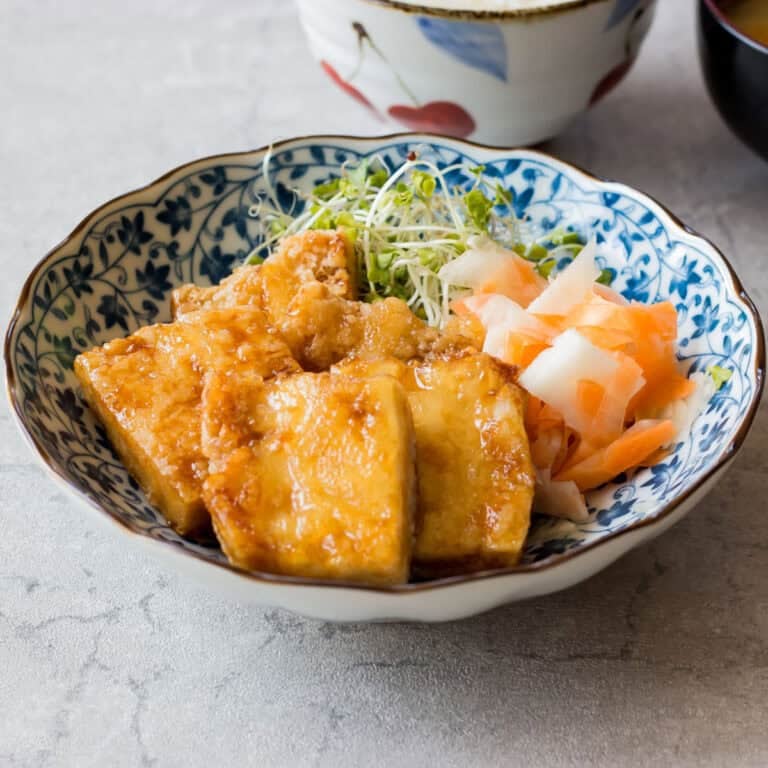
Momen tofu is so versatile. It’s firm enough for cooking and holds its shape well, but it’s also great served cold, like in tofu salad. That’s why I always keep it stocked in my fridge.
Kinugoshi Tofu
Kinugoshi tofu (絹ごし豆腐)has a smooth, delicate texture. The word “kinugoshi” means silken, but it does not mean the tofu is actually strained through silk. The name comes from its silky texture.
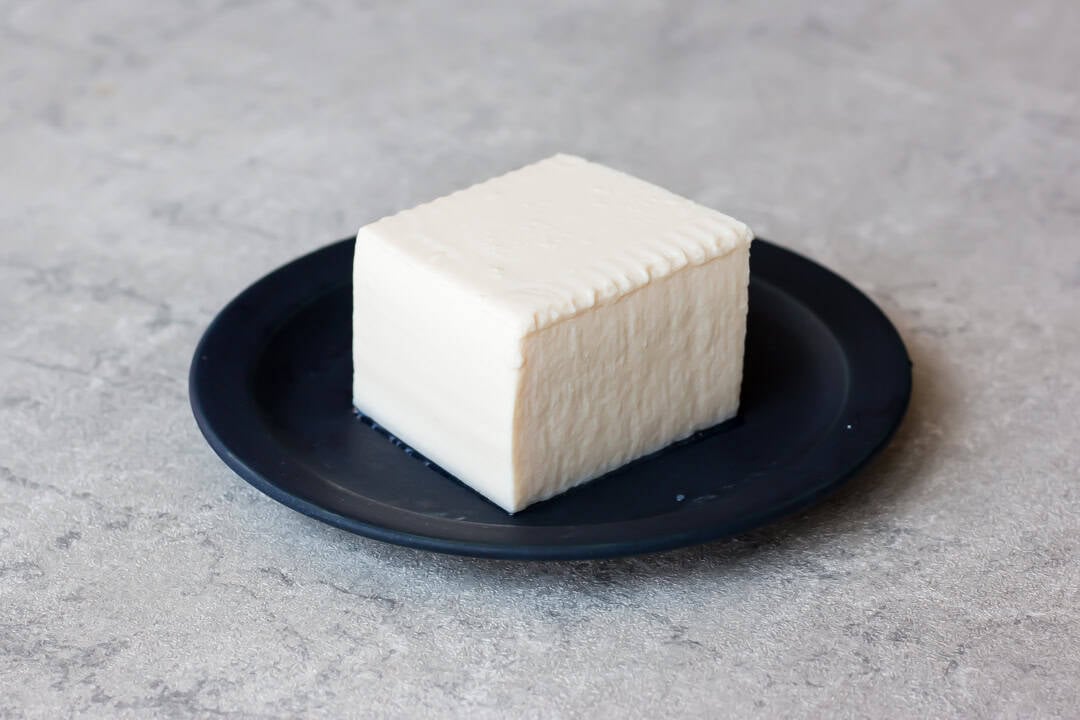
Unlike momen tofu, kinugoshi tofu is not pressed to remove water. Instead, the soy milk is set as it is, so the tofu keeps more moisture inside. That’s why it is softer and smoother than momen tofu.
When you touch it, it feels delicate and can break easily. The inside is also very fine and smooth.
How Kinugoshi Tofu Is Sold
Kinugoshi tofu is usually sold in a plastic package with water, just like momen tofu.
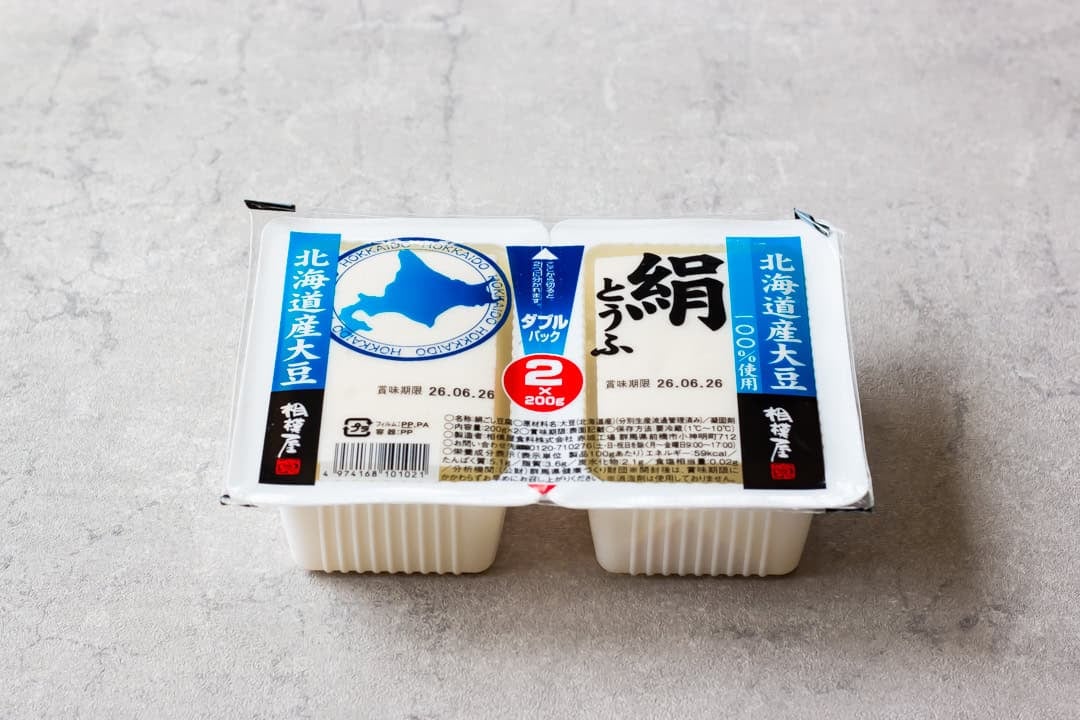
The shelf life depends on the product, but many water-packed kinugoshi tofu products last about one week. Again, it is best to check the package.
How To Use Kinugoshi Tofu
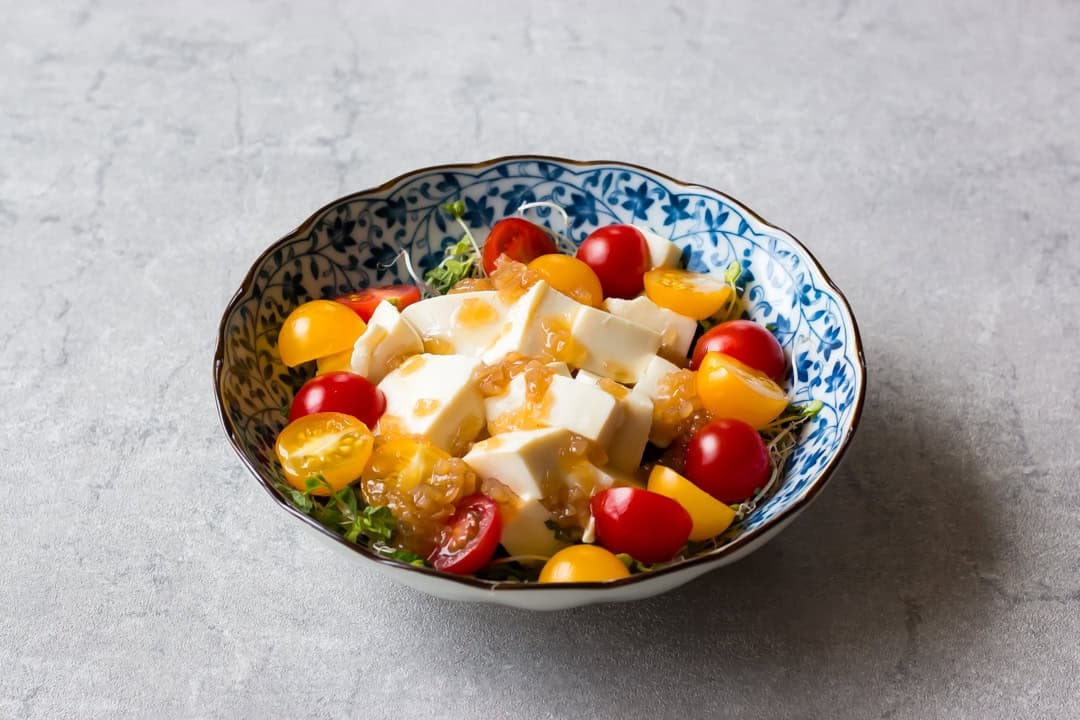
Kinugoshi tofu is great when you want a soft, silky texture. I especially like kinugoshi tofu for hiyayakko in summer because it is cold, smooth, and really easy to eat. It is perfect when you want to enjoy tofu simply as it is.
Momen vs Kinugoshi Tofu: Quick Comparison
Use this table to quickly compare the texture, flavor, and best uses of momen and kinugoshi tofu.
|
Feature |
Momen Tofu |
Kinugoshi Tofu |
|---|---|---|
|
Texture |
Firm |
Smooth, soft, silky |
|
Water content |
Less water |
More water |
|
Flavor |
Slightly stronger soybean flavor |
Mild and delicate |
|
Surface |
Slightly uneven, sometimes cloth marks |
Smooth |
|
Holds shape |
Yes, holds shape well |
Delicate and breaks easily |
|
Best For |
Cooking and cold dishes |
Cold dishes, soups, salads |
Extra Note: Jyuten Tofu
Some kinugoshi-style tofu is not packed in water. In Japan, this type is called jyuten tofu.
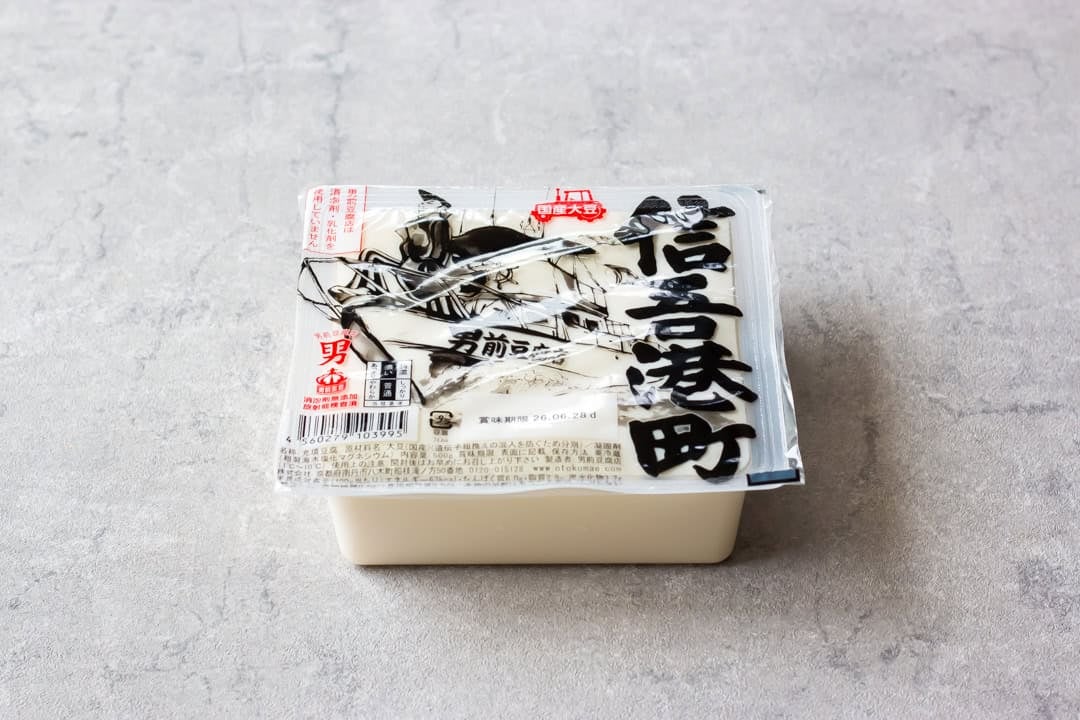
Jyuten tofu is set directly inside the package, so there is usually no extra water around it. Because it is sealed and heated in the package, some jyuten tofu products can last longer than regular water-packed tofu. You can use jyuten tofu just like kinugoshi tofu.
If you live outside Japan, this may remind you of shelf-stable silken tofu.
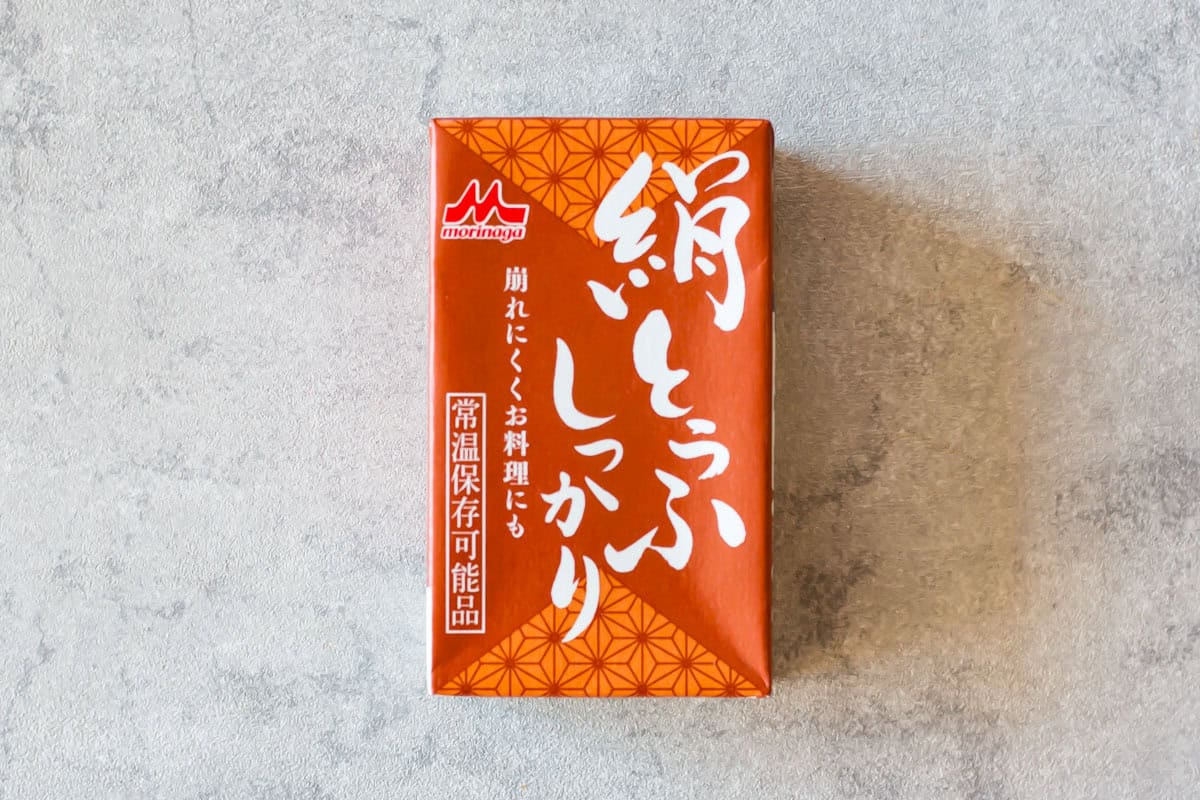
It is a similar idea, but not all jyuten tofu is shelf-stable. For example, some jyuten tofu products still need to be refrigerated.
Extra Note: Yose Tofu
Another tofu you may see in Japan is yose tofu. Sometimes, it is also called oboro tofu.
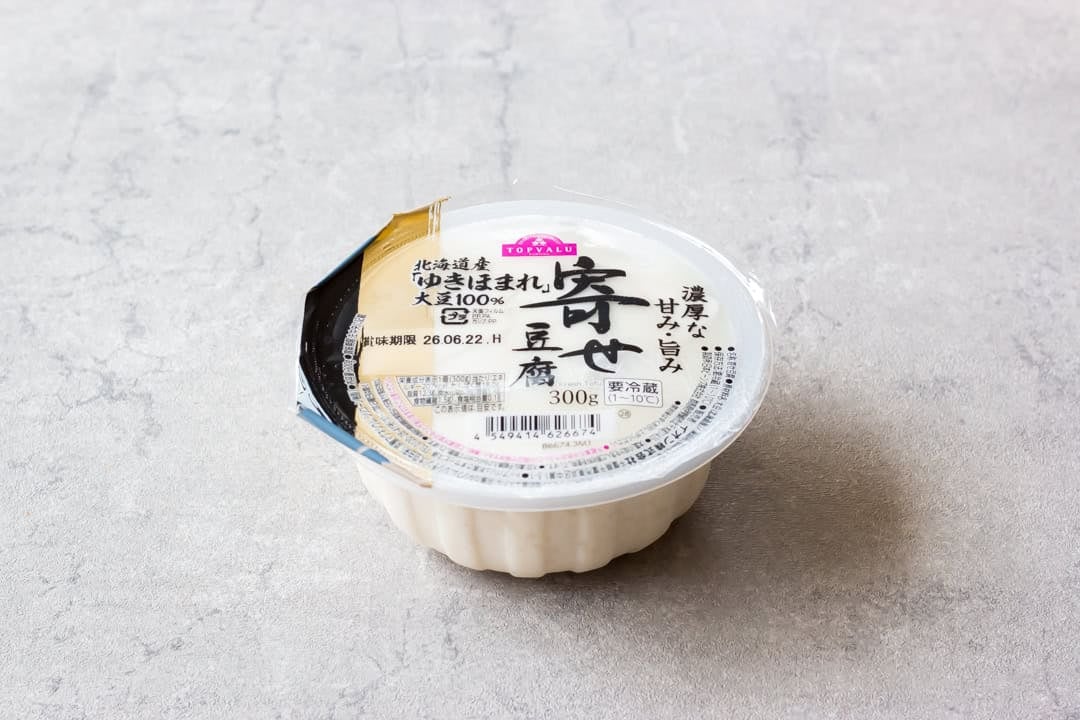
Yose tofu is made by gently scooping the tofu while it is still soft and just beginning to set. Because it is not pressed firmly like momen tofu, it has a very soft, creamy texture.
If you find yose tofu at a Japanese grocery store, I really recommend trying it. It is especially delicious as hiyayakko. When I buy it, I always make hiyayakko with it, and my whole family loves it.
Which One Should You Choose?
Here’s a quick and simple guide:
How to Choose Tofu Outside Japan
If you are buying tofu outside Japan, the labels may look different. In Japan, tofu is usually labeled with names like momen and kinugoshi, which is how the tofu is made.
But in the US and many other countries, tofu is often labeled by firmness, such as soft, silken, firm, and extra firm. This makes it easier to choose tofu based on how you want to use it.
As a simple guide:
Extra firm tofu is not as common in Japan. When I want a similar texture, I usually press momen tofu well to remove extra water, or bake it first before using it in a dish.
Try These Tofu Dishes!
Now that you know the basic types of tofu, here are easy tofu dishes you can make at home.

Your Questions Answered
Yes, you can freeze tofu, but the texture will change. Frozen and thawed tofu becomes firmer and more spongy. It absorbs flavor very well, so it is great for simmered dishes, soups, or teriyaki.
After opening the tofu, place the leftover tofu in a clean container and cover it with fresh water. Keep it in the refrigerator and try to use it within a couple of days.
Yes. If you are shopping outside Japan, firm tofu is usually the closest option to momen tofu.
Yes. Silken tofu or soft tofu is usually the closest option to kinugoshi tofu.
Check the type of tofu, ingredients, soybean origin, storage instructions, and expiration date. That will help you choose the right tofu for your recipe.
If you have more questions, feel free to leave a comment below!
Watch This Video
Quick Recap
I hope this guide helped you understand the difference between firm and silky tofu, and how to choose the right one for your recipe.
If you want more tofu recipe ideas, I also have a tofu recipe ebook with easy Japanese tofu recipes.

14 Delicious Ways to Enjoy Tofu
eBook: Everyday Tofu!
More Ingredient Guides You Will Love
Leave a Comment!
I hope you enjoyed this post! Share your thoughts in the comments below!




Juri Austin
Hi! I’m Juri, founder of Chef JA Cooks and the creator and photographer of this site. I’m here to guide you in authentic yet easy-to-follow Japanese recipes! Let’s explore the world of Japanese cuisine together!