
Types of Japanese Rice

In this post, we’ll explore the various types of Japanese rice, including uruchimai for everyday meals, mochigome for mochi and special occasions, as well as other varieties!
Learn more about rice in this guide to Popular Japanese Rice Brands!

Uruchimai (Non-Glutinous Rice)
Uruchimai is Japan’s everyday rice. Soft, fluffy, and sticky, it’s easy to pick up with chopsticks and holds its shape well for onigiri or sushi. Outside Japan, it’s often labeled “sushi rice.” While white rice is the most common, there are other varieties available as well. Let’s take a closer look.
White Rice (白米)
White rice is the everyday rice used in Japanese cooking. It’s fully polished, with the bran and germ removed, resulting in grains that are soft and fluffy.

👉 Cooking Tip: You don’t need a rice cooker to make Japanese white rice. It’s easy to cook on the stove. Try these recipes to learn how to prepare it with a saucepan, a Staub pot, or even a pressure cooker.
Brown Rice (玄米)
Brown rice is whole-grain rice that contains the bran and germ. It’s more nutrient-rich than polished white rice.

👉 Cooking Tip: Since the outer layer is tougher, brown rice can be harder to digest. That’s why I recommend cooking it in a pressure cooker or Instant Pot. Check out this guide on how to cook Japanese brown rice in a pressure cooker.
Partially Milled Brown Rice (分づき米)
Partially milled rice falls between white and brown rice. It’s a great option if you want to enjoy brown rice but struggle to digest it.
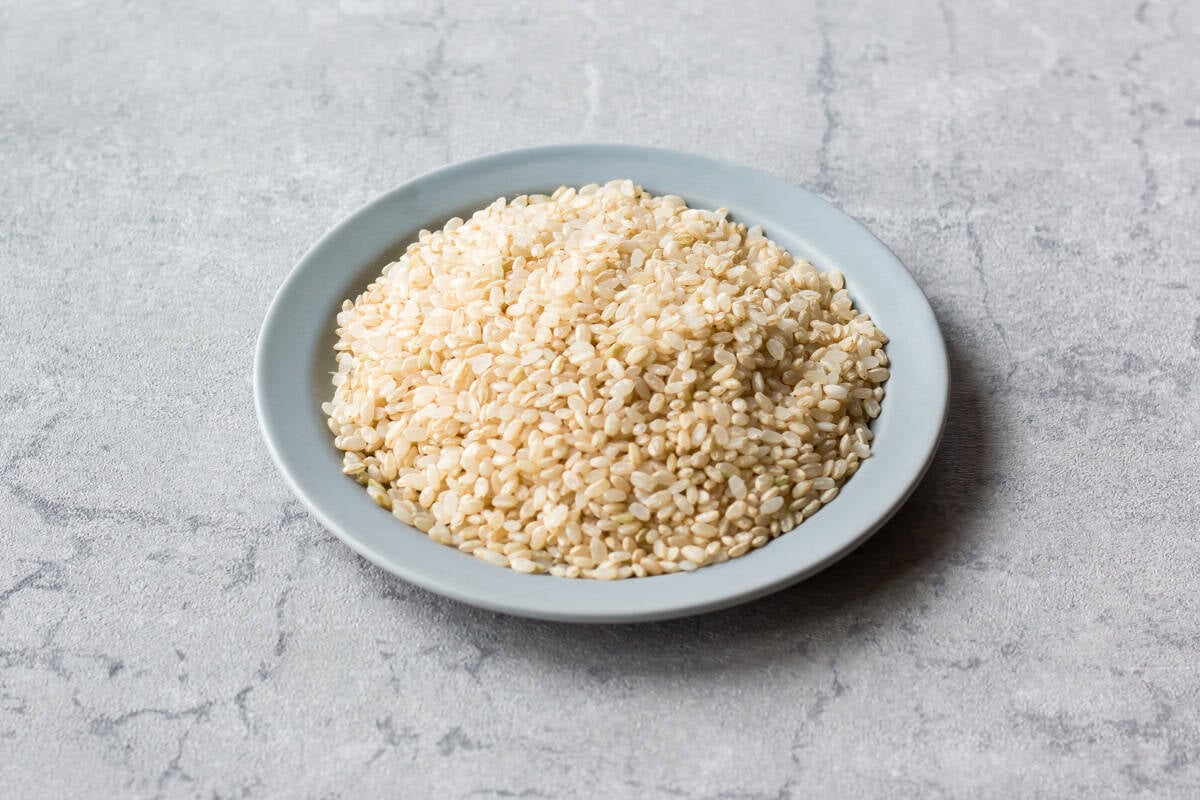
Partially milled rice is defined by how much of the grain has been polished, as follows:
👉 I personally recommend half-milled rice, as it offers a nice balance of taste and nutrition.
Multigrain Rice (雑穀米)
Multigrain rice is prepared by cooking white rice together with grains such as millet, barley, or quinoa. This mix adds extra nutrition and texture. See my Japanese Multigrain Rice Recipe for more details.

Mochigome (Glutinous Rice)
Mochigome, also known as glutinous rice, sticky rice, or sweet rice, has a distinct texture compared to uruchimai. It is more opaque, rounder in shape, and contains higher levels of starch, which makes it much stickier.
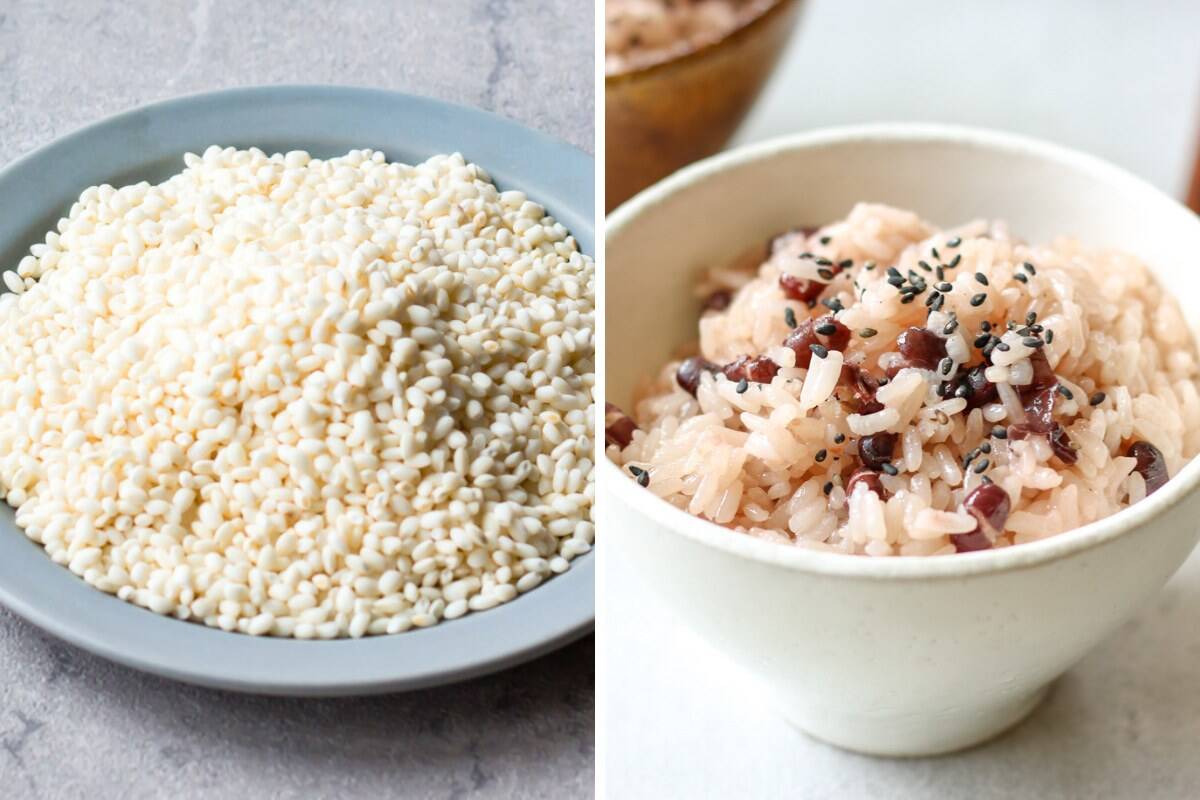
Mochigome is usually not eaten as plain rice. Instead, it is used for:
Summary
Here’s a quick recap:

Hard-to-Find Japanese Ingredients?
Here’s What to Use Instead!
More Ingredient Guides You Will Love
Leave a Comment!
I hope this guide is helpful! If you enjoy it, don’t forget to leave a comment to share your thoughts—I love hearing from you!




Juri Austin
Hi! I’m Juri, founder of Chef JA Cooks and the creator and photographer of this site. I’m here to guide you in authentic yet easy-to-follow Japanese recipes! Let’s explore the world of Japanese cuisine together!