
Saba Onigiri (Canned Mackerel)

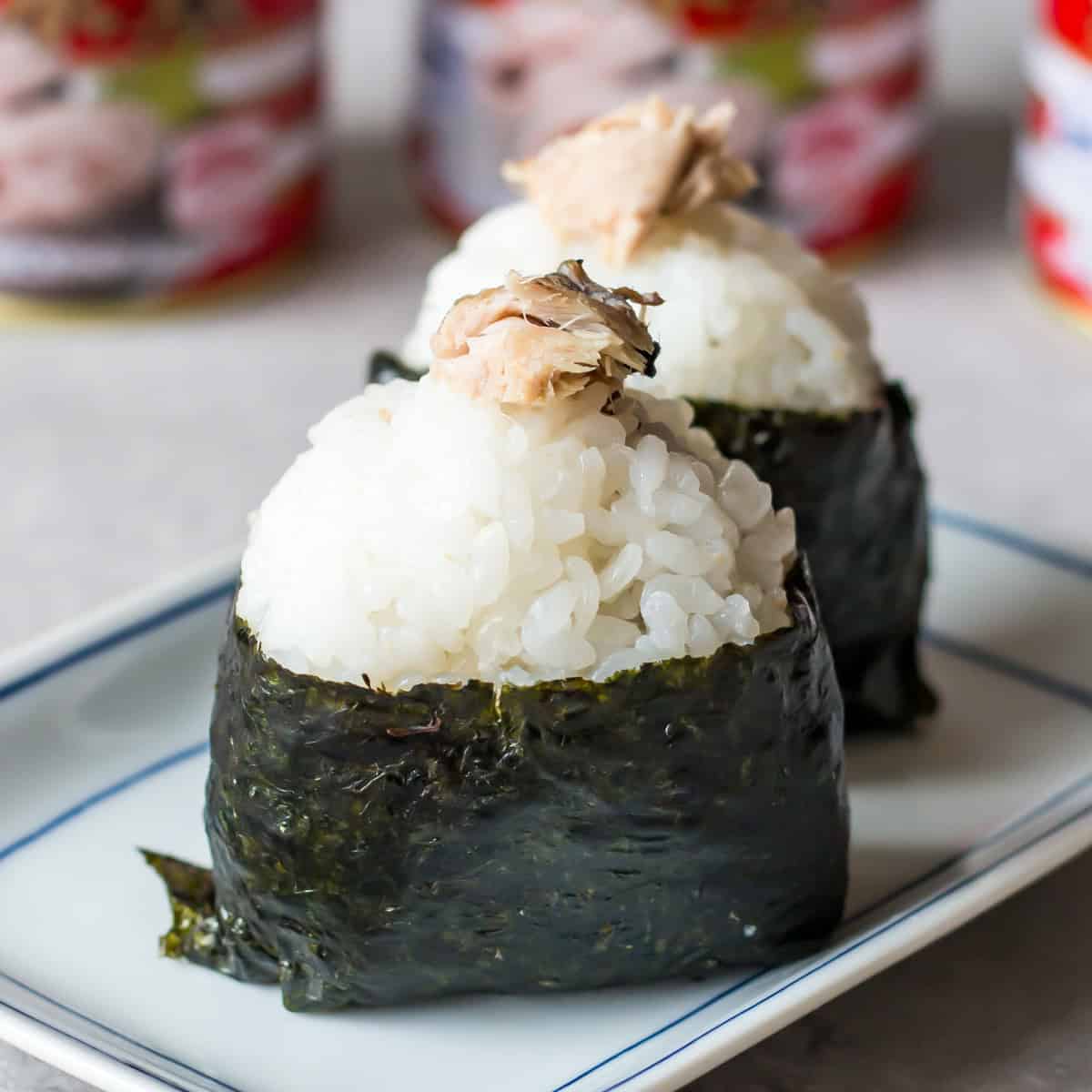
If you’re looking for an easy way to use canned mackerel, try making this saba onigiri! This recipe shows you how to turn a can of mackerel into flavorful onigiri with helpful tips and a few easy variations.
Looking for more ways to use canned mackerel? Try my Mackerel Omelet or Mackerel Takikomi Gohan!

Why Use Canned Mackerel for Onigiri
I highly recommend using canned mackerel, called saba in Japanese, for making onigiri. Here’s why:
Recipe Ingredients
You will need the following ingredients to make this canned mackerel onigiri:

How To Make Saba Onigiri
Here’s a quick visual guide! Check the recipe card below for the video and full details!
Prepare the Saba Filling
Open the canned mackerel and drain thoroughly.
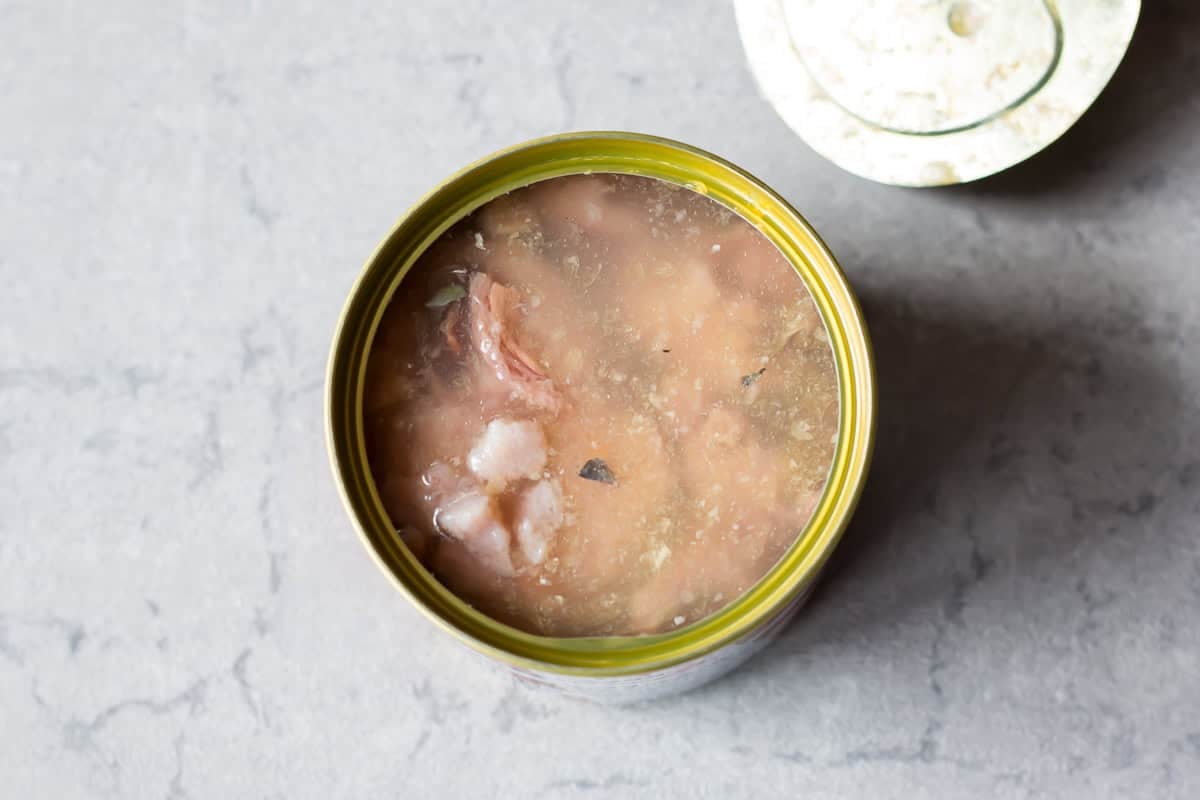
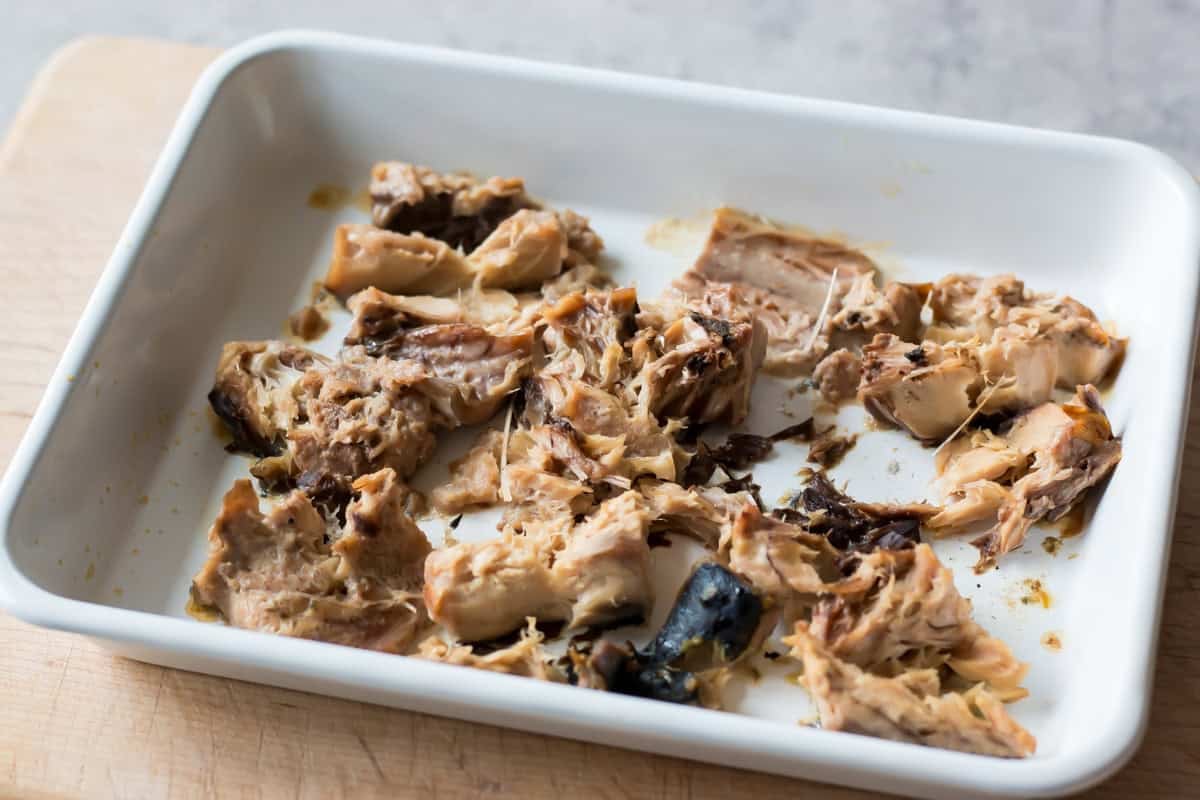
Place the mackerel on a baking tray and bake at 180°C (350°F) for about 10 minutes to remove excess moisture. Use a fork to flake the mackerel into small pieces.
How To Shape Onigiri
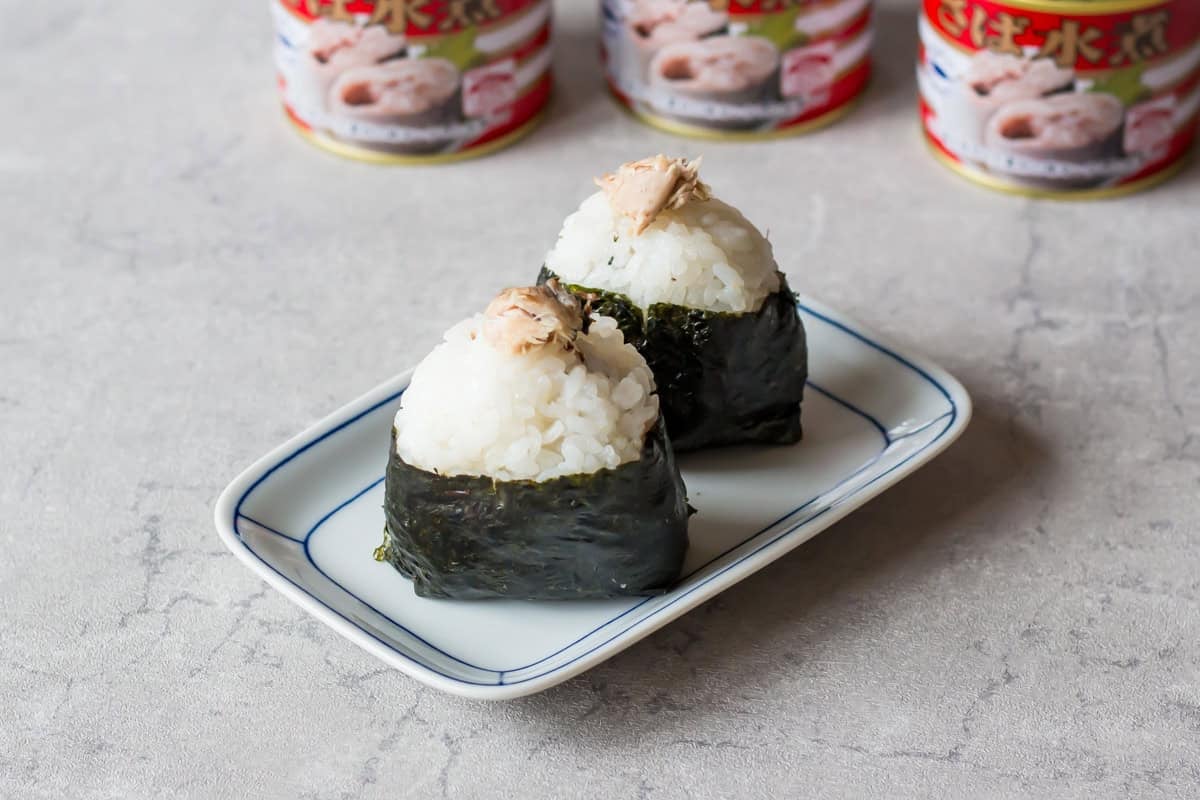
Place the saba flakes in the center of the rice and gently shape it into an onigiri.
For a step-by-step guide, watch the video below to see exactly how to shape onigiri and get helpful tips. You can also read my Onigiri 101 post for detailed tips and explanations.
Filling Variations
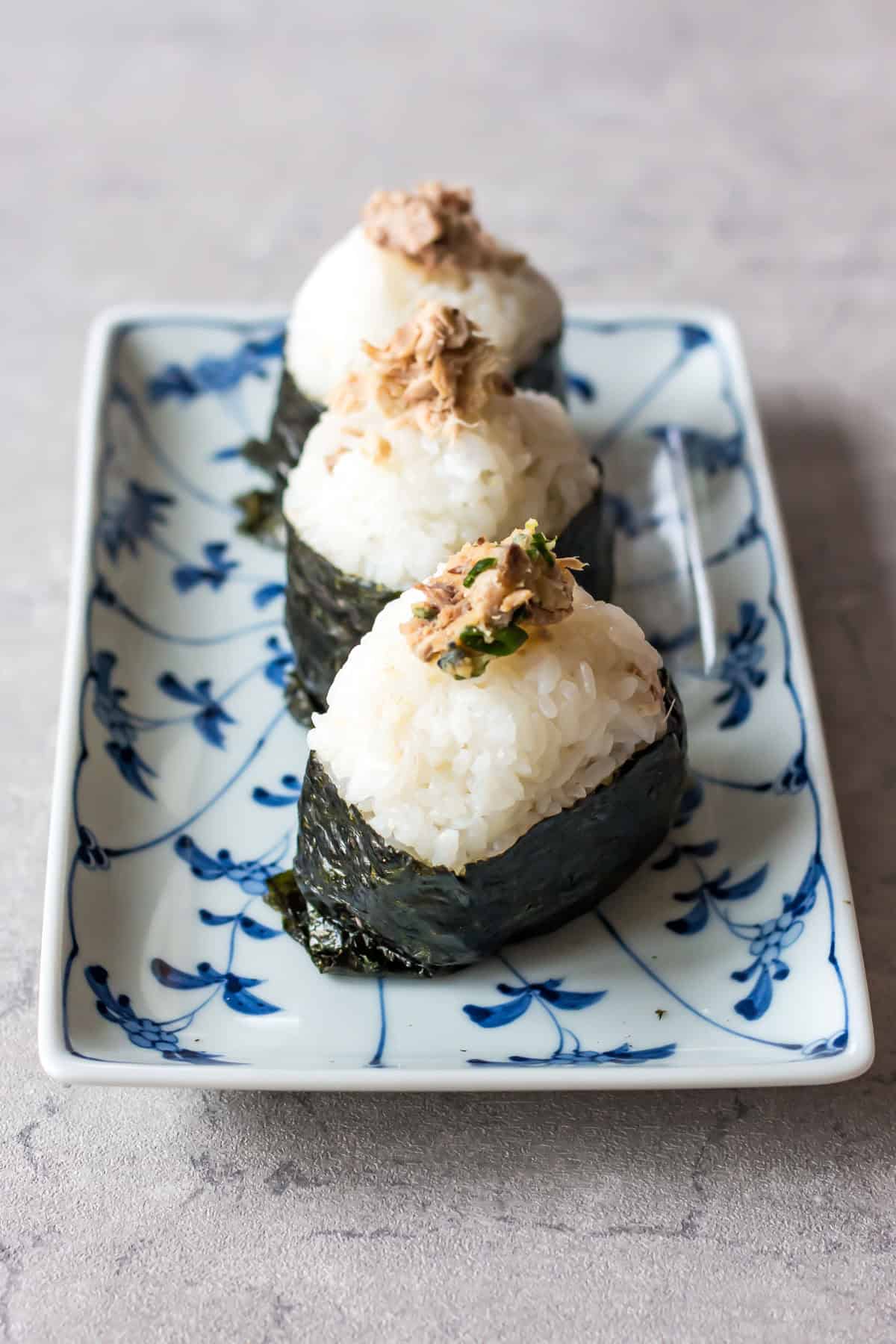
Here are three easy ways to flavor your saba filling. Enjoy trying different flavors.


Storage and Reheating
Wrap each onigiri tightly in plastic wrap to preserve its moisture, place them in an airtight container, and store them in the fridge for a couple of days.
When ready to enjoy, microwave each onigiri for about 20 seconds to restore its fluffy rice texture.
You can also freeze onigiri for up to one month. Please take off the nori seaweed when freezing, as it might become soggy when thawing.
Your Questions Answered
Yes, you can. Make sure to drain the oil thoroughly before using it to avoid making the rice greasy.
Yes. Flavored canned mackerel can also be used, but always drain the sauce thoroughly. Taste it first and skip extra salt or seasoning, as it may already be quite salty.
Baking is optional, but highly recommended for onigiri. It removes excess moisture and reduces fishy odor, helping the rice stay firm and fresh.
Yes. Saba onigiri works well for bento boxes and makes a great high-protein onigiri option.
It can if used straight from the can. Draining the mackerel well and briefly baking it helps reduce the fishy smell. Adding mayonnaise or miso also helps mellow the flavor.
Grab Your Onigiri Filling eBook!
Looking for more onigiri filling ideas? Check out our Onigiri eBook! From classics to creative options, all compiled conveniently in one place!

Get All the Filling Ideas!
36 Fun and Flavorful Onigiri
More Onigiri Recipes You Will Love
Leave a Rating!
I hope you enjoy this recipe! Don’t forget to rate it and share your thoughts!
Saba Onigiri(Canned Mackerel)
Ingredients
Instructions
- Prepare the Filling: Drain the canned mackerel. Bake at 180°C (350°F) for 10 minutes to remove excess moisture. Flake with a fork and season lightly with salt.
- Prepare Rice and Nori: Cut the nori into thirds. Prepare the rice, a small bowl of water, and salt.
- Assemble: Place rice in your palm or a bowl, add 1–2 teaspoons of mackerel filling in the center, and cover with more rice.
- Shape the Onigiri: Wet your hands with water, sprinkle a little salt on your palms, and rub them together. Place the rice in your hand and gently press with both palms to form a triangle, rolling it a few times to shape.
- Wrap: Wrap the rice with nori just before serving.
Notes
- Storage: Wrap each one in plastic wrap, put it in a container, and keep it in the fridge for a couple of days, or in the freezer for up to 1 month.
- Canned mackerel includes bones, so crush them gently with your fingers (they’re soft and edible) or remove them if you don’t like them.
- Removing excess moisture from the mackerel is key. It improves the texture and helps keep the onigiri from becoming soggy.
- If you enjoy crispy nori, wrap it just before eating, as it becomes soggy over time once wrapped.
Nutrition
This nutritional information is estimated and provided for general reference only.


Juri Austin
Hi! I’m Juri, founder of Chef JA Cooks and the creator and photographer of this site. I’m here to guide you in authentic yet easy-to-follow Japanese recipes! Let’s explore the world of Japanese cuisine together!