Beyond Matcha: 5 Types of Japanese Green Tea

When you hear “Japanese green tea,” matcha may be the first tea that comes to mind. But in Japan, we enjoy many different types in everyday life. This guide introduces five popular Japanese teas, their flavors, and simple ways to enjoy each one.
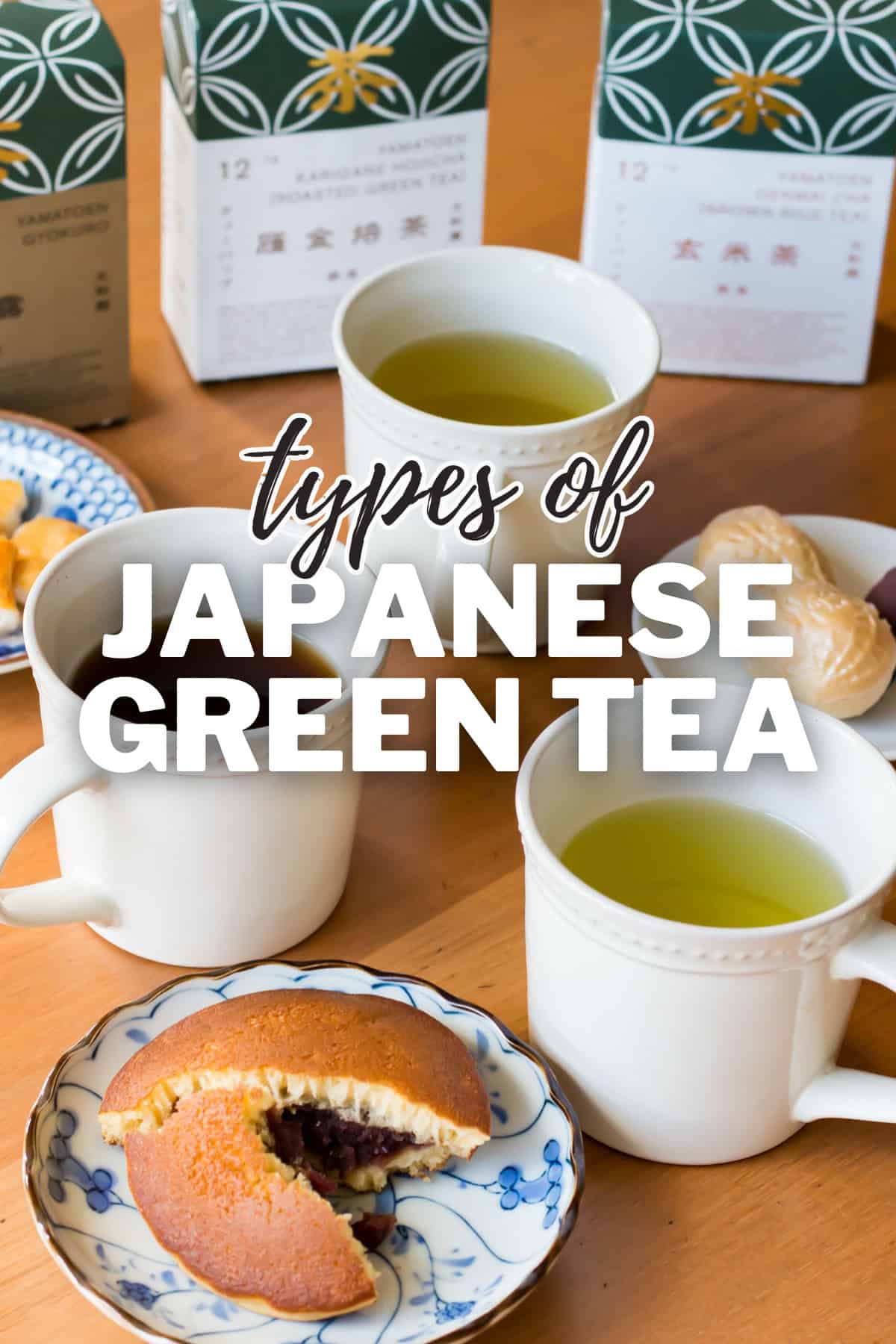
Japanese green tea in a mug.

5 Popular Japanese Green Tea

The Japanese teas in this guide all begin with leaves from the same tea plant. Differences in how they are grown and processed give each one its own color, aroma, and flavor. Here’s a quick overview of their flavors, when to enjoy them, and typical price ranges.

Tea

Flavor

Best For

Typical Price Range

Matcha

Rich and slightly bitter

A mindful tea break or morning boost

$$$–$$$$

Sencha

Fresh with a light bitterness

Everyday meals and tea breaks

$–$$$

Gyokuro

Smooth, sweet, and full of umami

Special occasions and slow sipping

$$$$

Genmaicha

Mild and toasty

Everyday meals and savory snacks

$–$$

Hojicha

Roasted and nutty

After meals and relaxing evenings

$–$$

Japanese green tea in a tea cup.

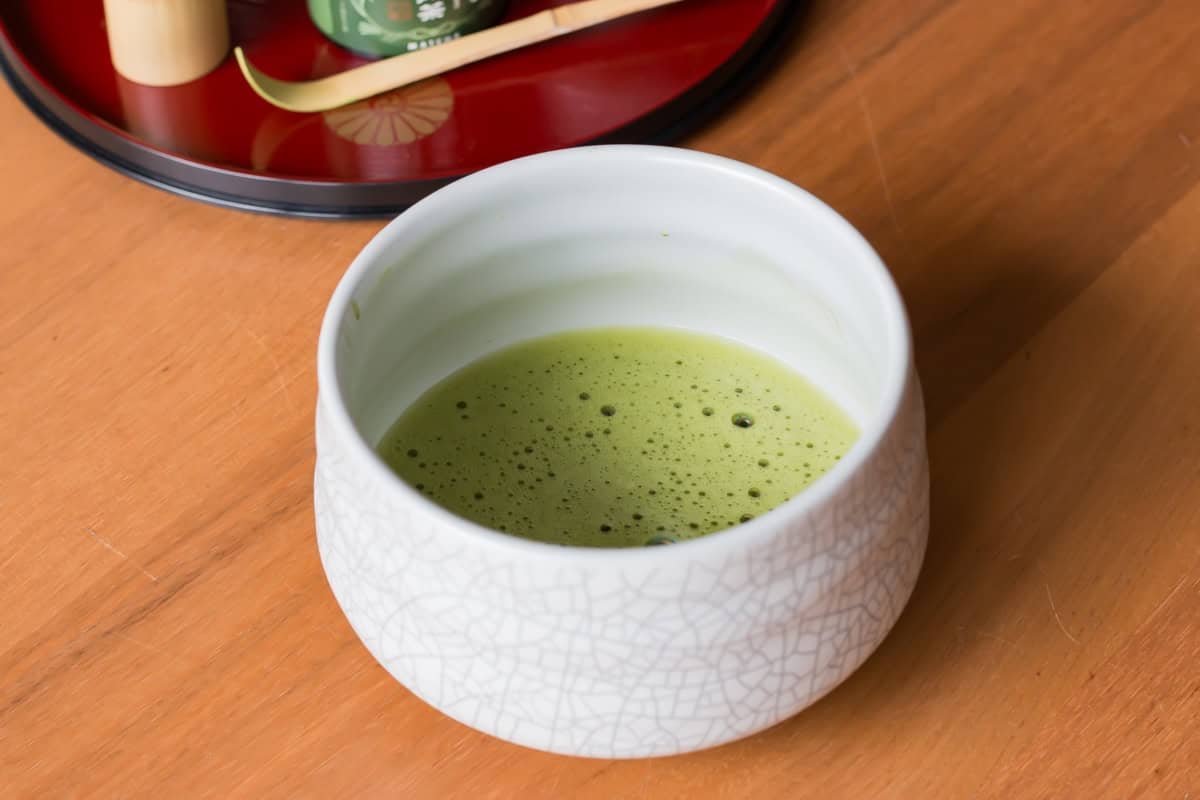
1. Matcha (抹茶)

  • How it’s made: Matcha is made from shade-grown tea leaves that are processed into tencha and then ground into a fine powder.
  • Flavor and characteristics: It has a rich, grassy flavor with a slight bitterness. Unlike steeped tea, matcha is whisked into water, so you consume the ground tea leaves themselves.
  • How to prepare: Whisk the powder with hot water using a bamboo whisk.
  • How to enjoy: Drink it on its own, make a matcha latte, or add it to desserts.
  • Price range: Medium to high.
Japanese matcha in a bowl.

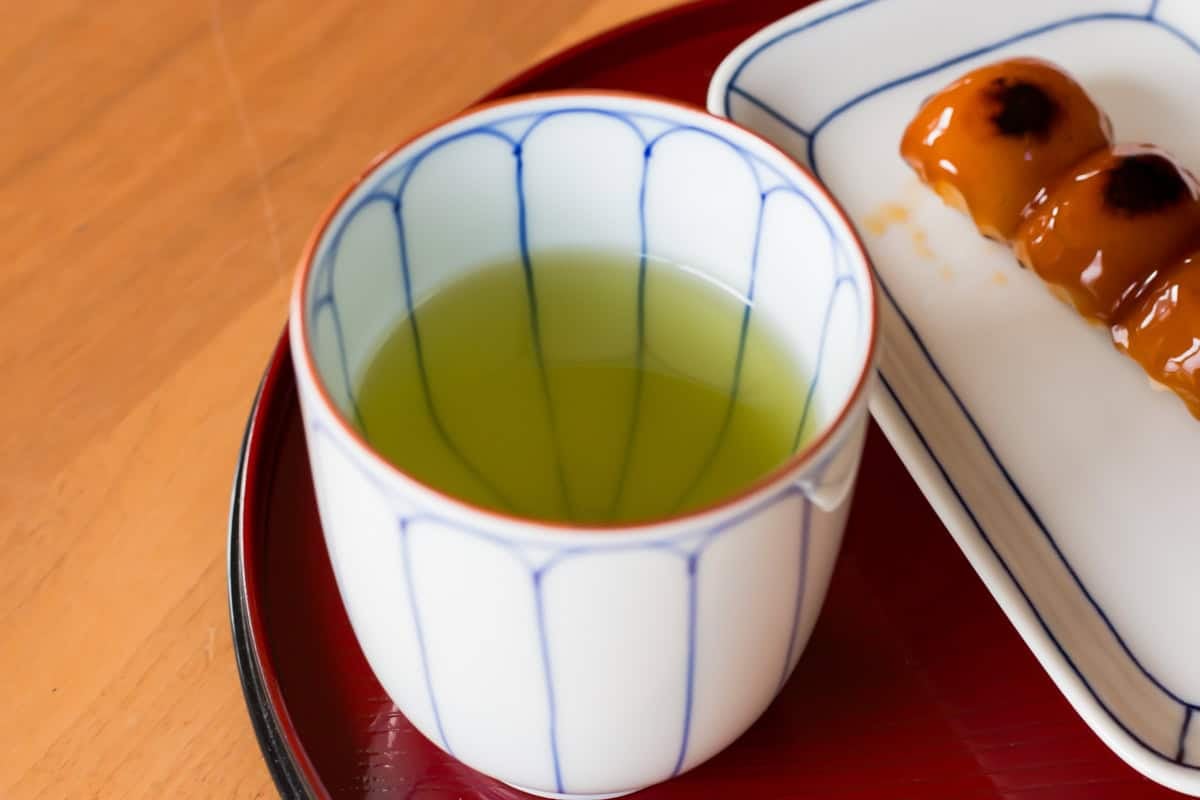
2. Sencha (煎茶)

  • How it’s made: Sencha is made by steaming, rolling, and drying freshly harvested tea leaves.
  • Flavor and characteristics: It has a fresh flavor with a light bitterness. Sencha is the most widely produced tea in Japan, accounting for roughly 60–70% of the country’s tea production.
  • How to prepare: Steep the tea briefly in hot water.
  • How to enjoy: Enjoy it hot or cold with everyday meals, Japanese sweets, or as a refreshing tea break.
  • Price range: Affordable to medium. Sencha comes in a wide range of prices and quality levels.
Japanese green tea in a tea cup.

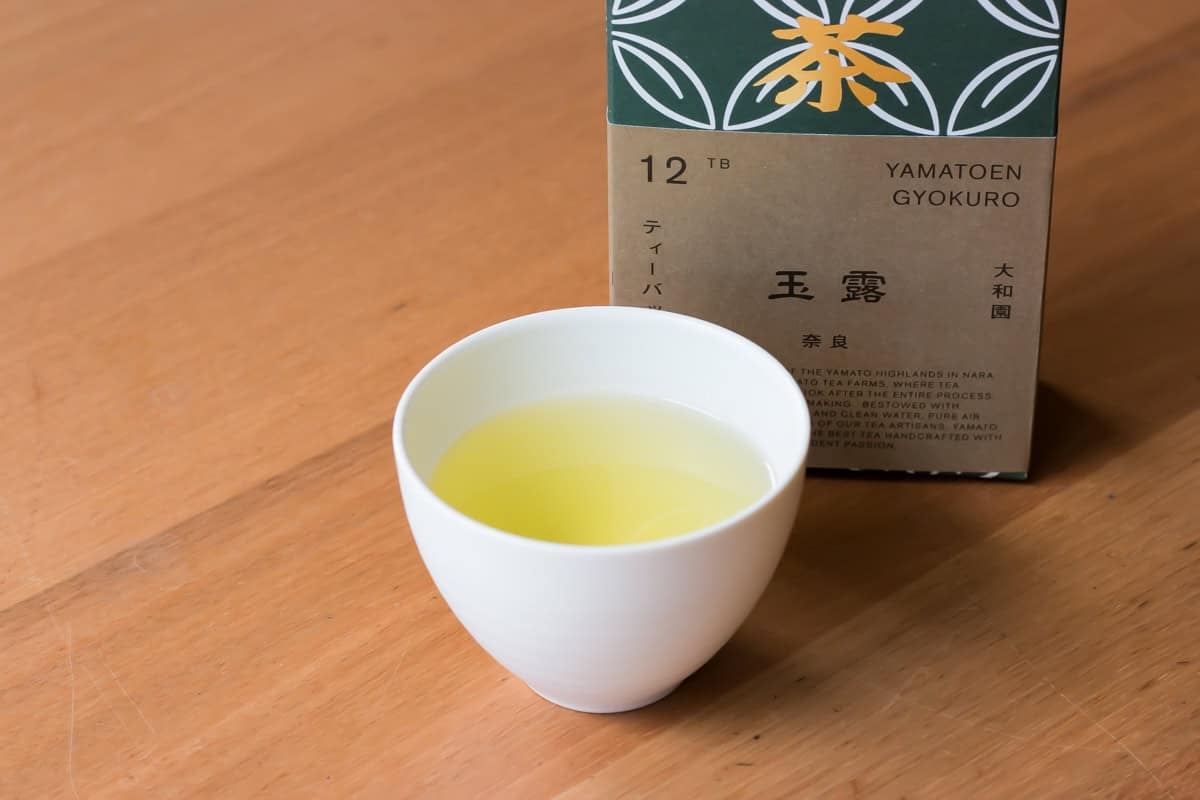
3. Gyokuro (玉露)

  • How it’s made: The production process is the same as sencha, but Gyokuro is made from tea leaves that are shaded from sunlight for several weeks before harvest.
  • Flavor and characteristics: This special growing method produces its distinctive sweetness and umami. It is considered one of Japan’s finest green teas.
  • How to prepare: Steep it slowly using a small amount of low-temperature water.
  • How to enjoy: Enjoy it on special occasions, serve it to guests, or sip it slowly when you have time to appreciate its delicate flavor.
  • Price range: High. Gyokuro requires extra time and care to produce and is available in smaller quantities.
Japanese green tea in a tea cup.

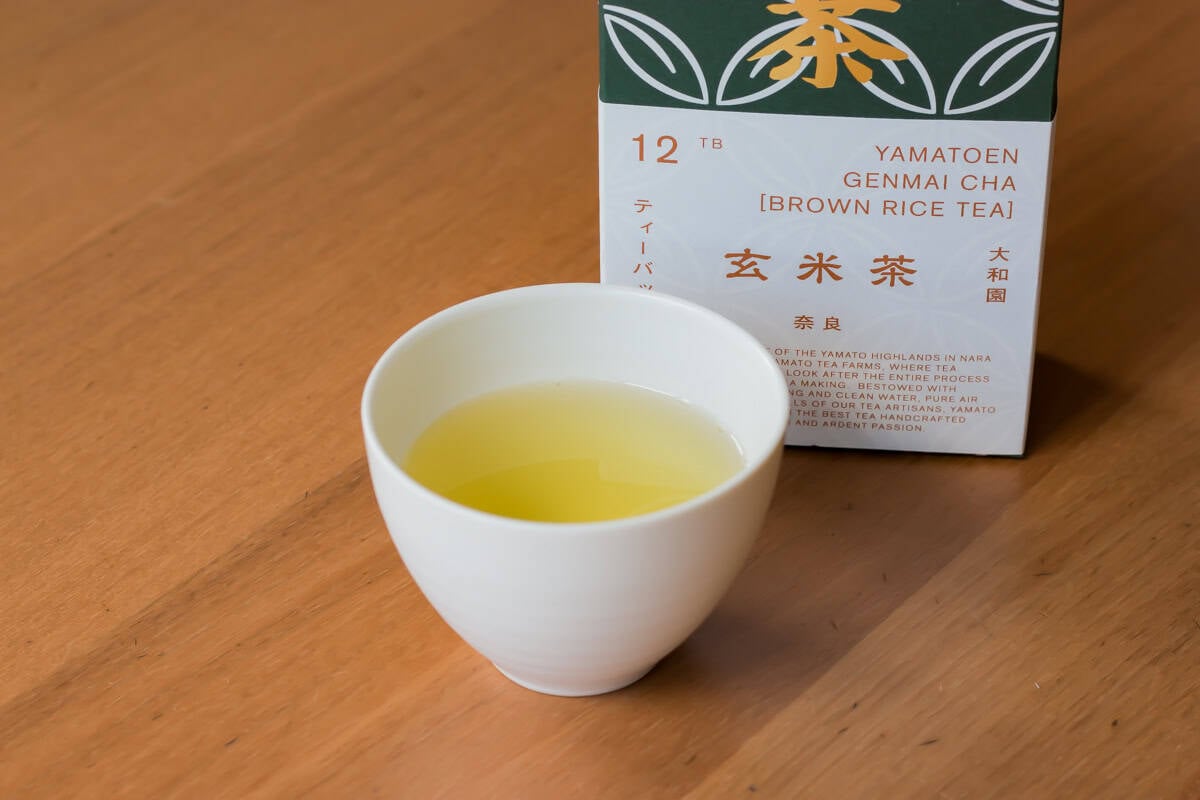
4. Genmaicha (玄米茶)

  • How it’s made: Genmaicha is a blend of green tea leaves and roasted rice.
  • Flavor and characteristics: It has a mild flavor and a warm, toasty aroma from the roasted rice. It is approachable even for those who find green tea too bitter.
  • How to prepare: Steep the tea briefly in hot water.
  • How to enjoy: Its mild flavor pairs especially well with Japanese meals, rice dishes, and savory snacks.
  • Price range: Affordable.
Japanese green tea in a tea cup.

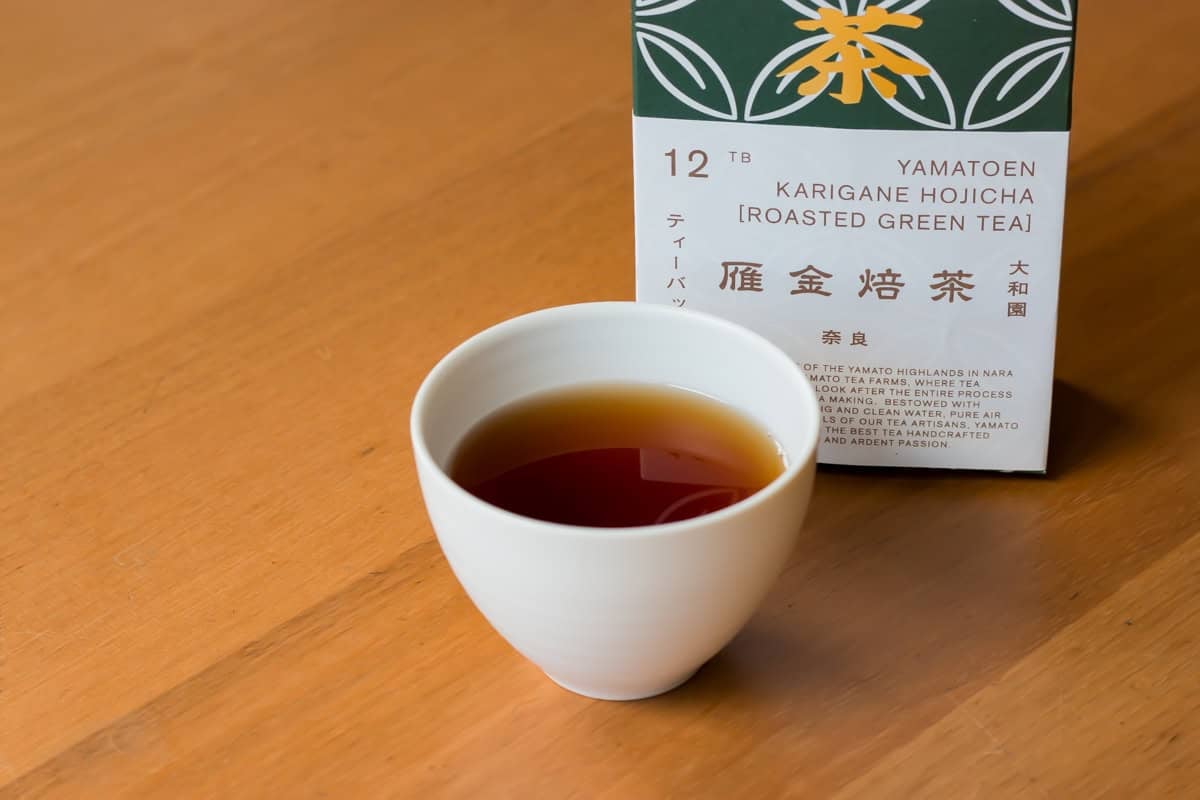
5. Hojicha (焙じ茶)

  • How it’s made: Hojicha is made by roasting green tea leaves or stems at a high temperature.
  • Flavor and characteristics: It has a warm, roasted aroma and a smooth, nutty flavor with very little bitterness. Roasting also gives it its distinctive reddish-brown color.
  • How to prepare: Steep the tea briefly in hot water.
  • How to enjoy: Enjoy it hot or cold, after a meal, with sweets, or during a relaxing tea break.
  • Price range: Affordable.
Japanese green tea in a tea cup.

How to Enjoy Japanese Tea Throughout the Day

Japanese green tea can be enjoyed throughout the day. Here are a few simple ideas for enjoying different teas from morning to evening.

  • Morning: Start your day with a gentle boost
    Matcha or gyokuro can give you a little caffeine boost in the morning. Enjoy a cup with or after breakfast.
  • After lunch: Refresh your palate
    A warm cup of sencha is especially refreshing after lunch.
  • Afternoon: Take a tea break
    Need a little pick-me-up while working or studying? Sencha is an easy everyday choice, while gyokuro can make your afternoon break feel extra special.
  • Evening: Slow down and relax
    Wind down with a warm cup of hojicha or genmaicha. They generally contain less caffeine than matcha or gyokuro, but they are not caffeine-free, so keep that in mind if you are sensitive to caffeine.

Do You Need Japanese Teaware?

No—you don’t need any special teaware to enjoy Japanese tea. If you’re using a tea bag, a regular mug is all you need. I usually use a small coffee mug.
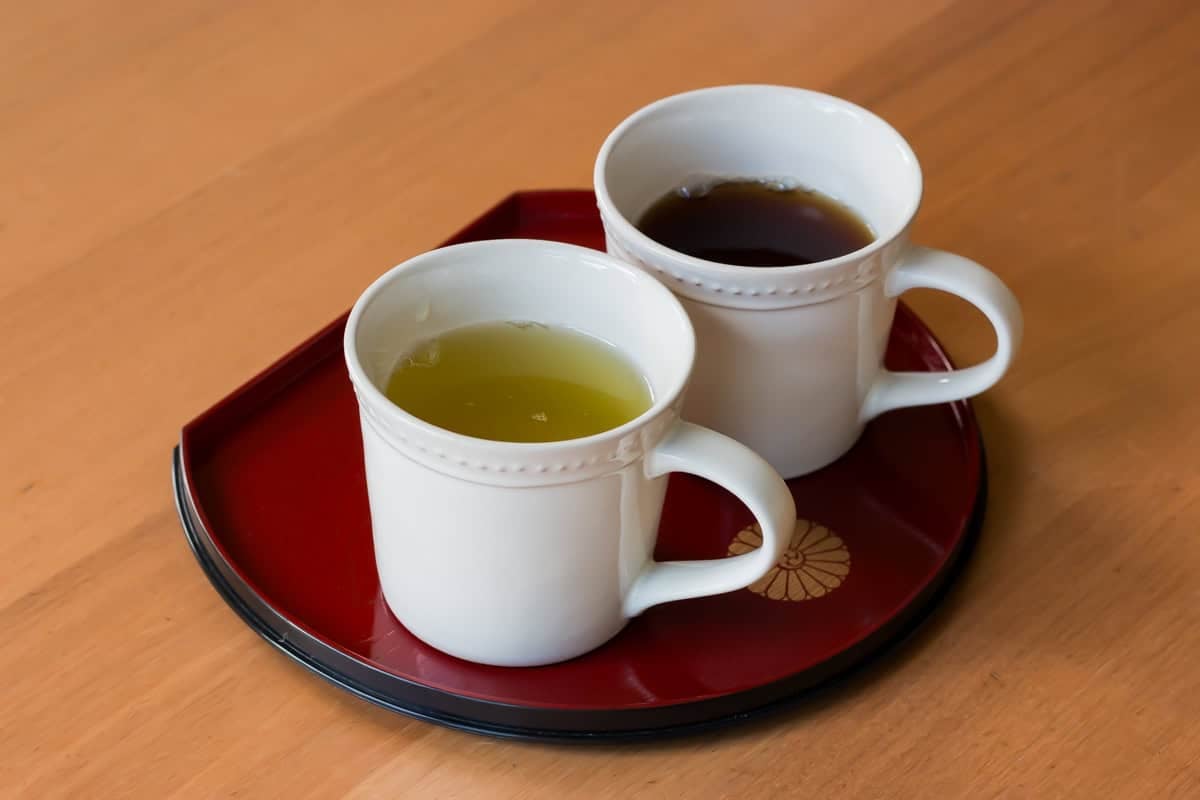
Japanese green tea in a mug.

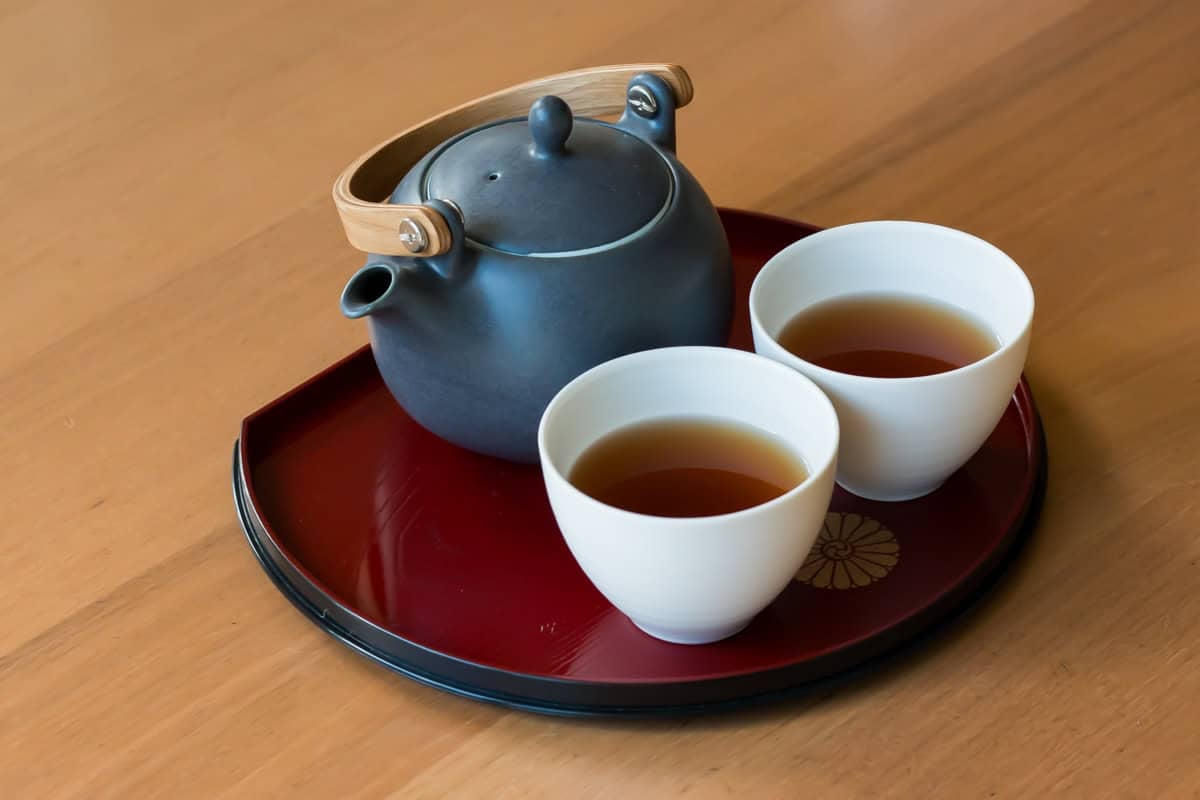
For loose-leaf tea, using a Japanese teapot called a kyusu and a teacup called a yunomi creates a more traditional experience. However, a regular teapot with a strainer and any cup will work just as well.
Japanese green tea in a tea cup.

You can find my favorite kyusu and yunomi here.

What to Serve with Japanese Green Tea

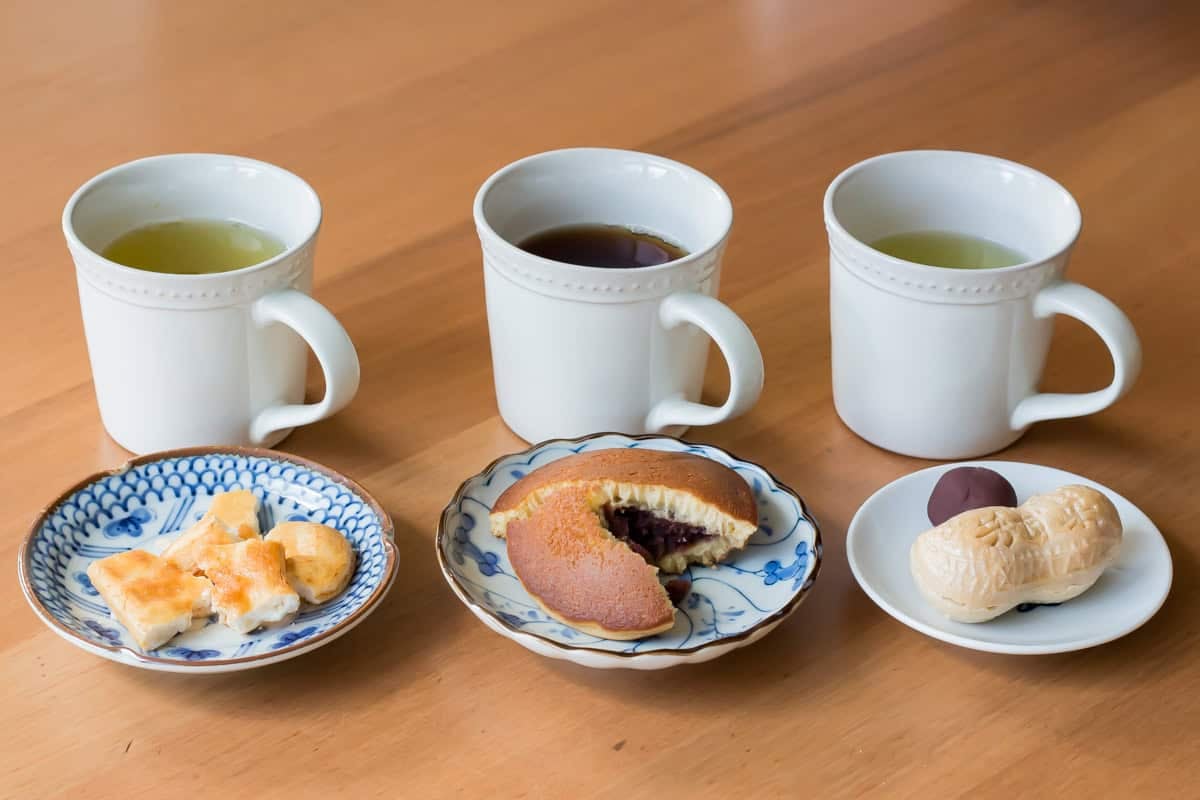
An afternoon tea break is even better with a little treat! In Japan, green tea is often served with Japanese sweets, such as dorayaki, dango, and mochi. I especially love pairing mitarashi dango with green tea.
Japanese green tea in a mug.

If you are in the mood for something savory, try pairing your tea with senbei, Japanese rice crackers. Just like coffee, Japanese tea also pairs well with chocolate, cookies, and cake.

Where to Buy Japanese Green Tea

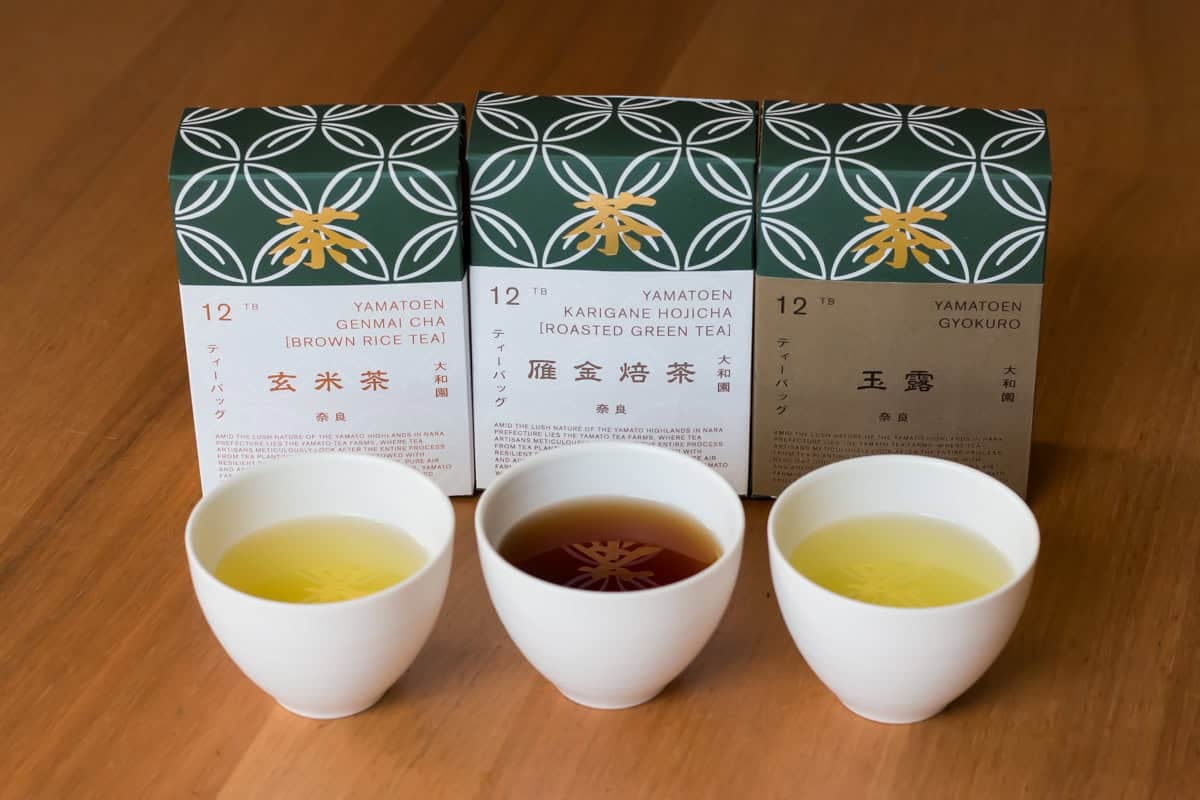
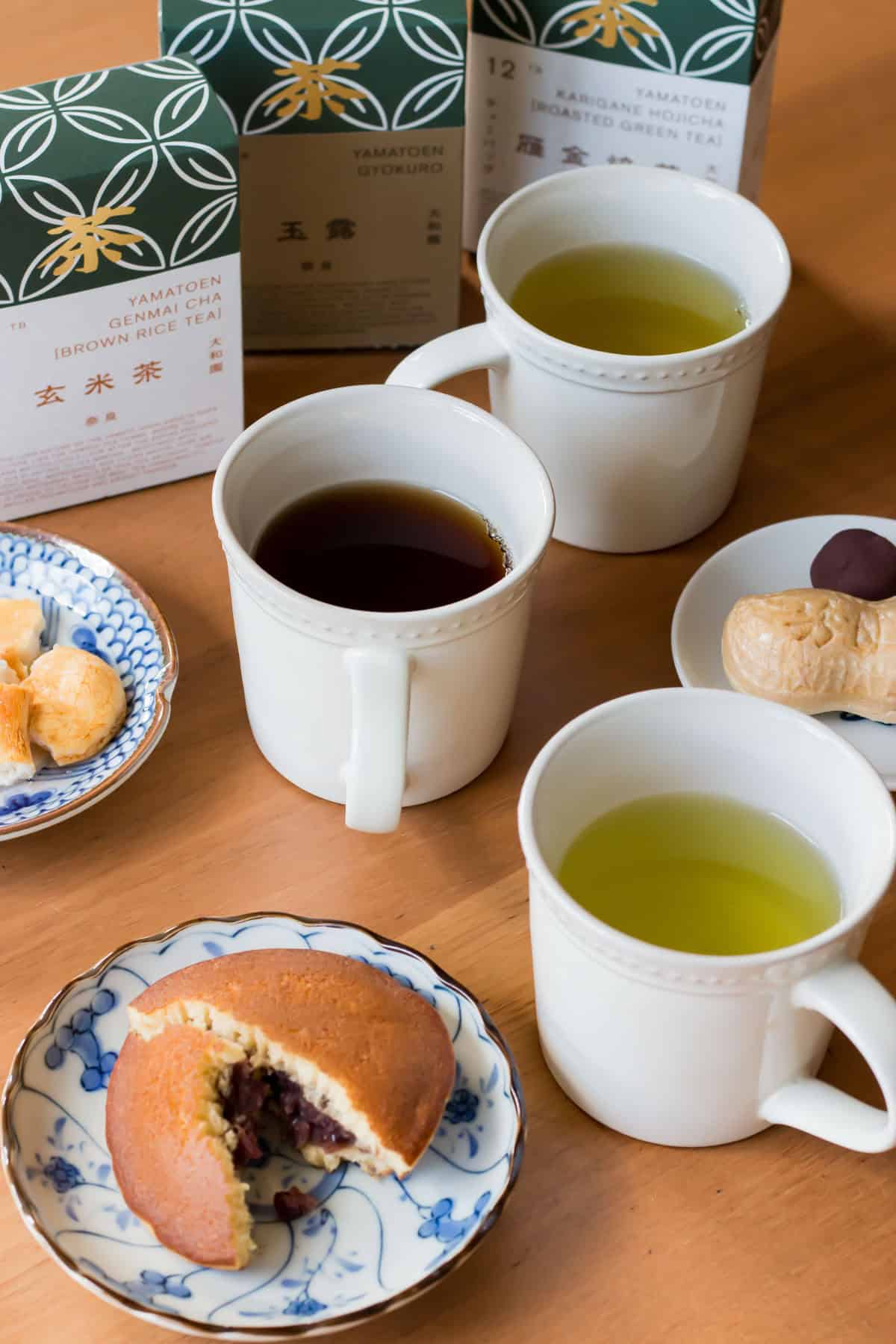
You can find Japanese green tea at Japanese grocery stores, specialty tea shops, and online. Here are the teas featured in this guide:

The gyokuro, genmaicha, and hojicha are from Yamatoen, a tea farm and producer in Nara Prefecture. I recently discovered Yamatoen at a trade show in Tokyo and had the chance to speak with their team. I was immediately impressed by how delicious their teas were and how much care went into making them.

Watch This Video

Quick Recap

Japanese green tea offers much more than matcha. Choose matcha for a rich flavor, sencha for a fresh everyday tea, gyokuro for sweetness and umami, genmaicha for a mild toasted flavor, or hojicha for a mellow roasted aroma.

Most can be enjoyed hot or cold, with meals, sweets, or simply on their own. Whether you use a tea bag or a traditional kyusu, choose the tea that best suits your taste and enjoy it your way!

Which Japanese tea would you like to try first? Let me know in the comments!

Not Sure What to Buy First?

Japanese Grocery Shopping Guide
Japanese green tea in a mug.

More Ingredient Guides You Will Love

Leave a Comment!

I hope you enjoyed this post! Share your thoughts in the comments below!

Similar Posts

Juri Austin wearing denim kimono and holding bento box.

Juri Austin

Hi! I’m Juri, founder of Chef JA Cooks and the creator and photographer of this site. I’m here to guide you in authentic yet easy-to-follow Japanese recipes! Let’s explore the world of Japanese cuisine together!

Leave a Reply

Your email address will not be published. Required fields are marked *