
Miso Soup 101: The Everyday Formula

Miso soup is often described as a “basic” Japanese dish, but if you’re new to Japanese cooking, it might not feel so simple. This post shows you an easier way to think about miso soup. You don’t need to memorize a recipe, just a simple formula you can use every day.
If you’d like a more detailed overview of ingredients and basic methods, you can also read What is miso soup.

By the end of this post, you’ll be able to:
There is no single correct miso soup. And that’s exactly why it’s such an everyday dish in Japan.
The Formula is Flexible
Even though the basic formula has three elements, you don’t need all of them every time.
- You can make miso soup with just miso and dashi, and it’s still miso soup.
- You can even make a delicious bowl without dashi.
Why Miso Soup Is an Everyday Dish
Recipes often list exact amounts, but everyday cooking is much more relaxed. In many Japanese homes:
- Miso is rarely measured exactly
- Ingredients come from what’s already in the fridge
- Today’s miso soup is not expected to taste the same as yesterday’s
That flexibility is what makes miso soup easy to make every day, not something you save for special occasions.
Beginner Questions
When you’re new to making miso soup, it’s normal to feel unsure. Here are some common concerns beginners have.
“How much miso should I use?”
In my recipes, I give an amount as a starting point. But everyone’s taste is different, so there isn’t one “right” amount.
Here’s an easy way to adjust:
- If the soup tastes weak, add a little more miso
- If it tastes too strong, add hot water to balance it
That’s it. Minor adjustments are part of the process.
“Can I let miso soup boil?”
It’s best not to let it boil too much after adding miso.
If it does boil, the flavor may become a bit flat. But don’t worry, it’s not ruined. You can gently bring the flavor back by adding a little water and a small amount of miso.
“It tastes different every time”
That’s completely normal. Different ingredients and even small changes in the amount of water will slightly change the flavor each time you make it.
If you want a more consistent taste, you can:
- Use the same pot
- Use a measuring spoon or a miso muddler
- Keep the water and miso amounts consistent
Keep the Ingredients Simple
In miso soup, the foundation is dashi and miso. That’s why the ingredients can be very simple. You don’t need many. One or two is enough.
Here are some common ingredient options:
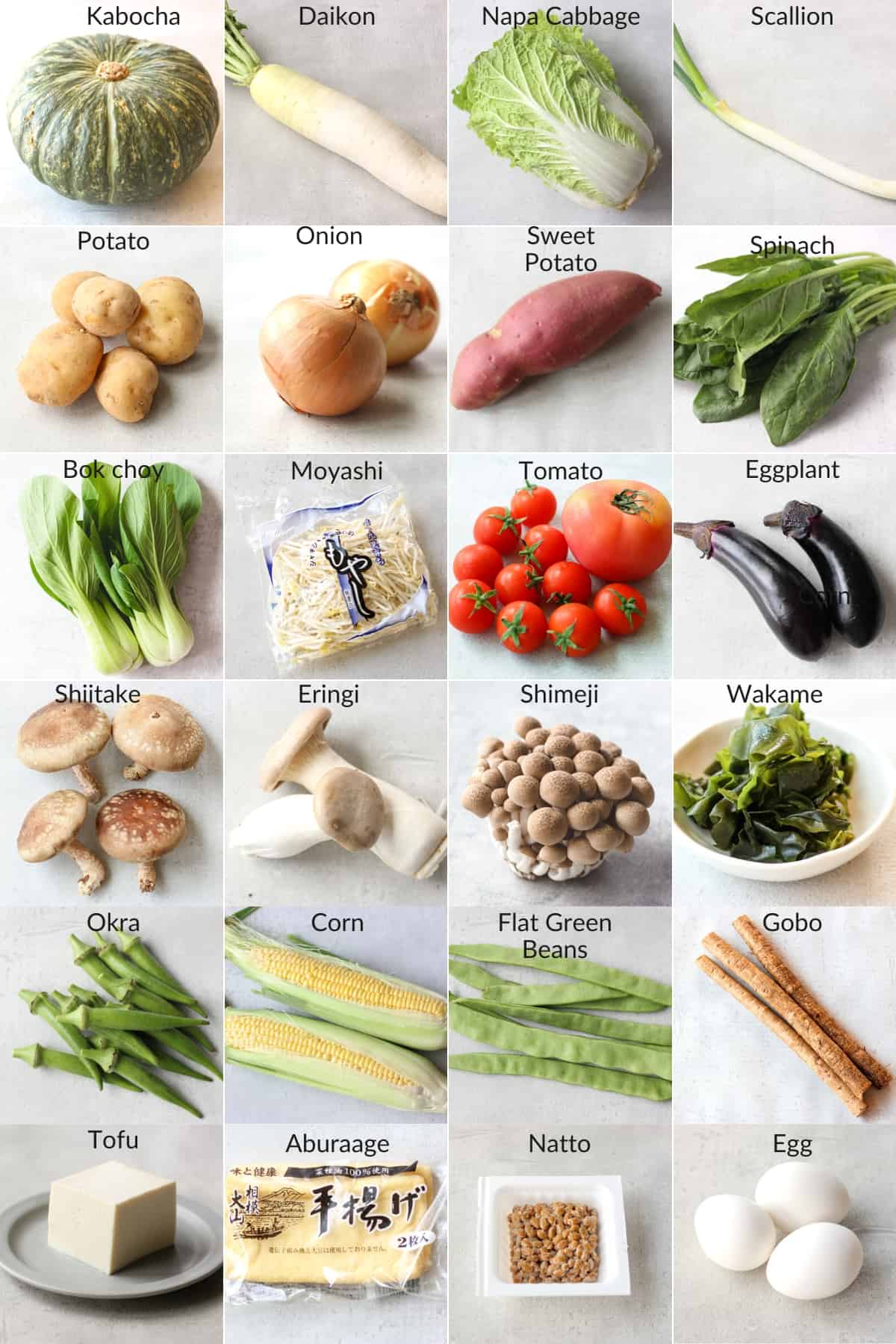
Pick seasonal vegetables, add a texture you enjoy, and use whatever you already have in your fridge.
Start with These Miso Soups
These simple miso soups are a great place to start:

Watch This Video
Where to Go Next
If you’d like to keep learning, these are great next steps:
Leave a Comment!
I hope you enjoyed this post! Share your thoughts in the comments below!


Juri Austin
Hi! I’m Juri, founder of Chef JA Cooks and the creator and photographer of this site. I’m here to guide you in authentic yet easy-to-follow Japanese recipes! Let’s explore the world of Japanese cuisine together!