
5 Essential Japanese Seasonings for Your Pantry

If you love Japanese food and want to cook more at home, the right pantry staples make it much easier. In this guide, I’ll show you the five essential Japanese seasonings, how to choose them, and what you can make with them.
Grab my Japanese Grocery Shopping Guide with a simple shopping list to get started.
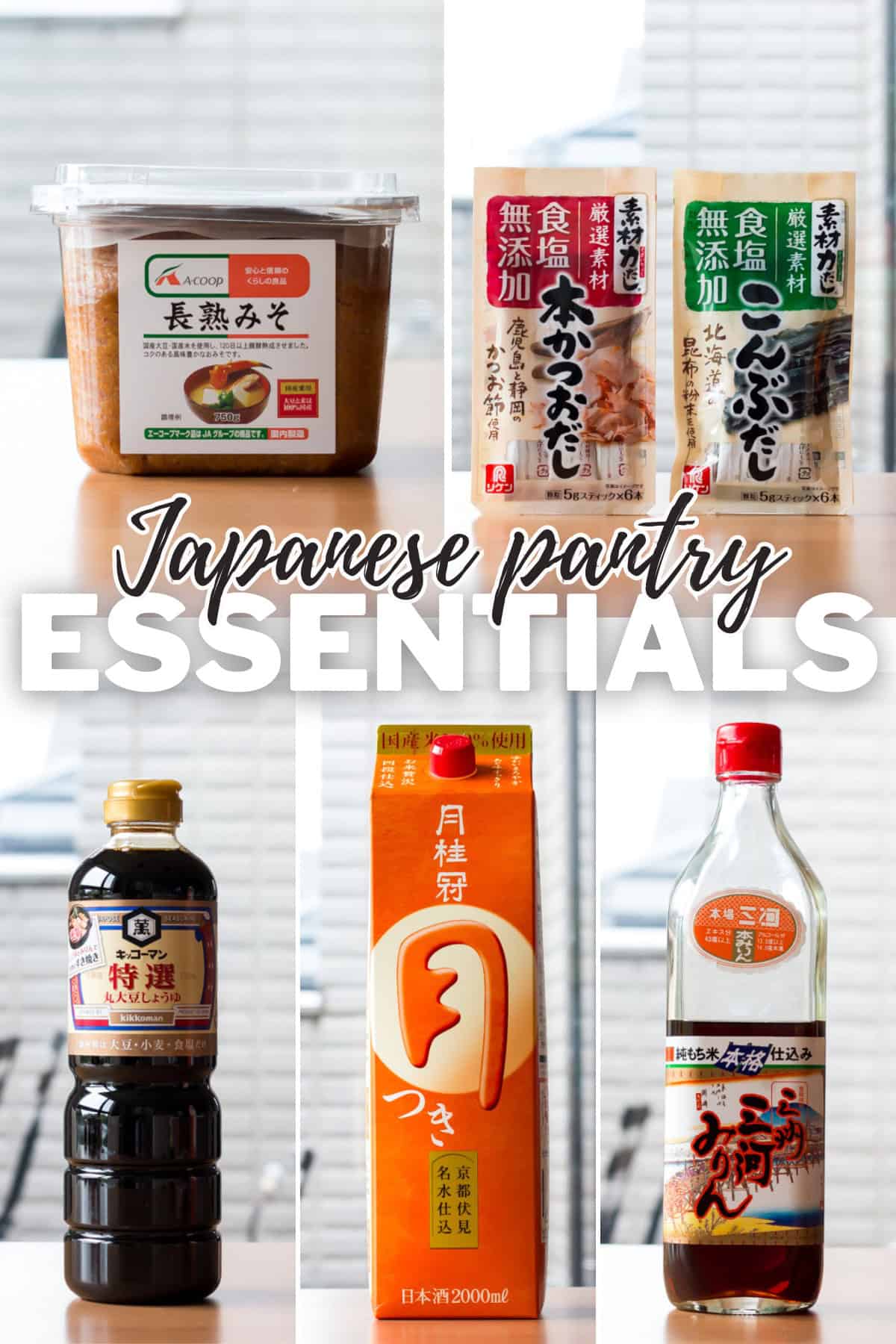
The 5 Essential Japanese Seasonings
These five ingredients form the flavor base of soups, rice bowls, and many everyday meals:
Each one plays a different role, and together they create the balance and depth Japanese food is known for.
1. Soy Sauce
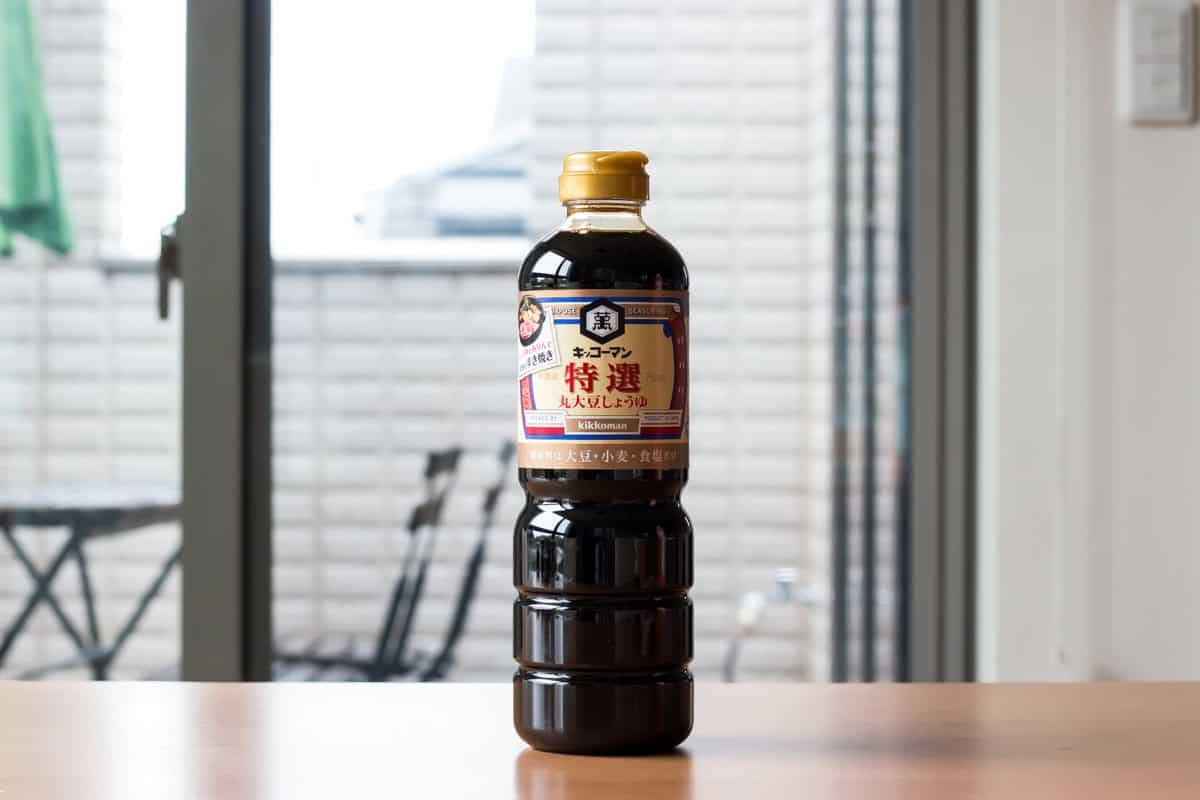
Soy sauce is the first bottle I’d recommend for Japanese cooking. It adds saltiness, umami, and depth, and it’s used in countless dishes. Even a small splash can instantly improve flavor.
What to Buy
Start with koikuchi soy sauce, the standard dark soy sauce used in most Japanese homes. A reliable beginner-friendly choice is Kikkoman, which is widely available internationally.
What to Make
If you only buy one seasoning today, soy sauce is the best place to start.
2. Miso
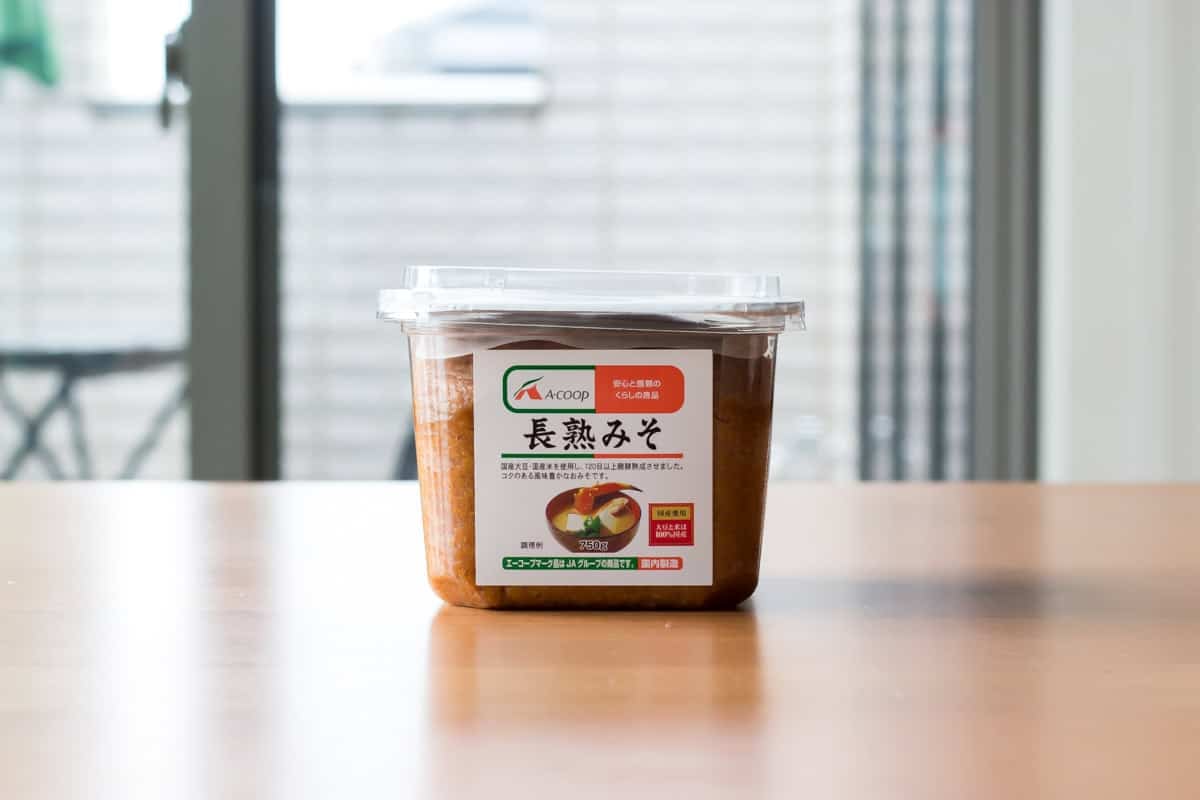
Miso is one of Japan’s most iconic fermented seasonings. Many people know miso soup, but feel unsure about buying miso for home cooking. The good news: it’s easier to use than you think! Miso adds richness and savory depth that can make simple dishes taste much more satisfying.
What to Buy
If you’re new to miso, start with white miso. It’s mild, versatile, and beginner-friendly. Good brands to look for are Hikari Miso and Marukome, both widely available outside Japan.
What to Make
3. Mirin
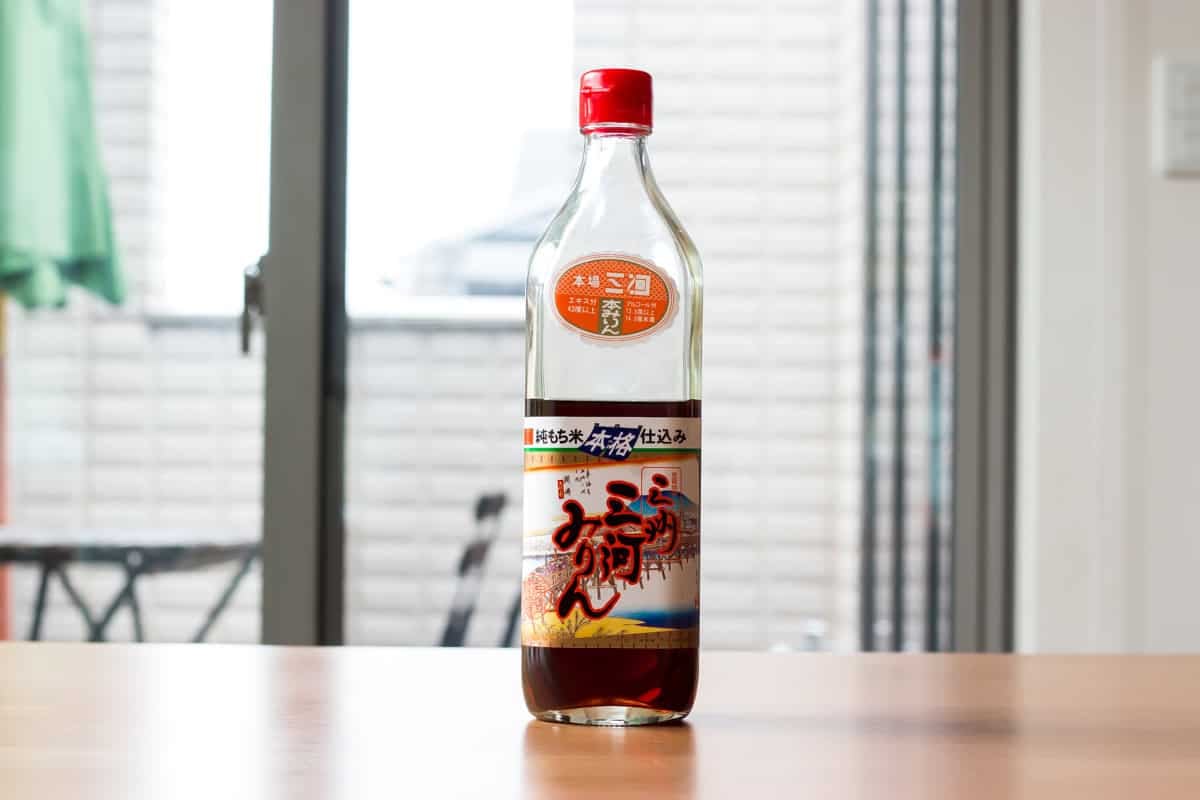
Mirin is one of the secret ingredients behind many Japanese dishes. Made from glutinous rice, mirin adds gentle sweetness, shine, and balance. It helps sauces look glossy and taste rounder.
What to Buy
Choose hon mirin if possible. This is traditional mirin made without added sweeteners or salt. My favorite is Mikawa Hon Mirin, which has a clean, elegant sweetness that tastes very different from sugar.
What to Make
When combined with soy sauce, mirin creates that classic sweet-savory Japanese flavor.
4. Sake
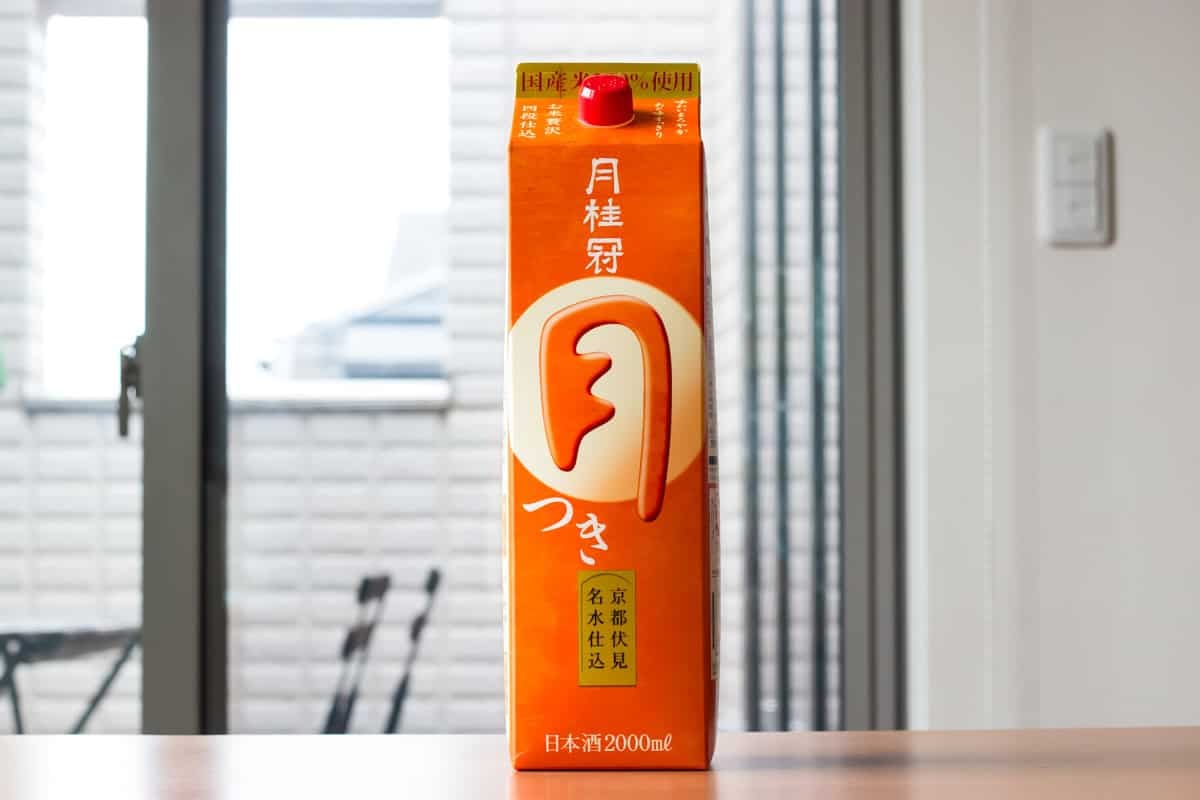
Many cuisines are cooked with alcohol, and Japanese cooking uses sake in a similar way. Sake adds delicate umami, helps tenderize ingredients, and removes odors from meat and fish.
What to Buy
Skip salted “cooking sake” when possible. Instead, use an affordable junmai-shu for everyday cooking.
What to Make
5. Dashi
Dashi is one of the easiest ways to make food taste more Japanese. It adds clean umami and subtle depth without heaviness. Traditional dashi is made from bonito flakes and kombu seaweed, but instant versions are excellent for everyday cooking.

What to Buy
Instant dashi powder or dashi packets are the most convenient options. If possible, choose one with no added salt so you can better control the seasoning in your cooking.
What to Make
If you want authentic Japanese flavor at home, dashi is worth keeping in your pantry.
Easy Dishes You Can Make With These 5 Essentials
With these five seasonings, just add vegetables, rice, noodles, eggs, tofu, fish, or beans.
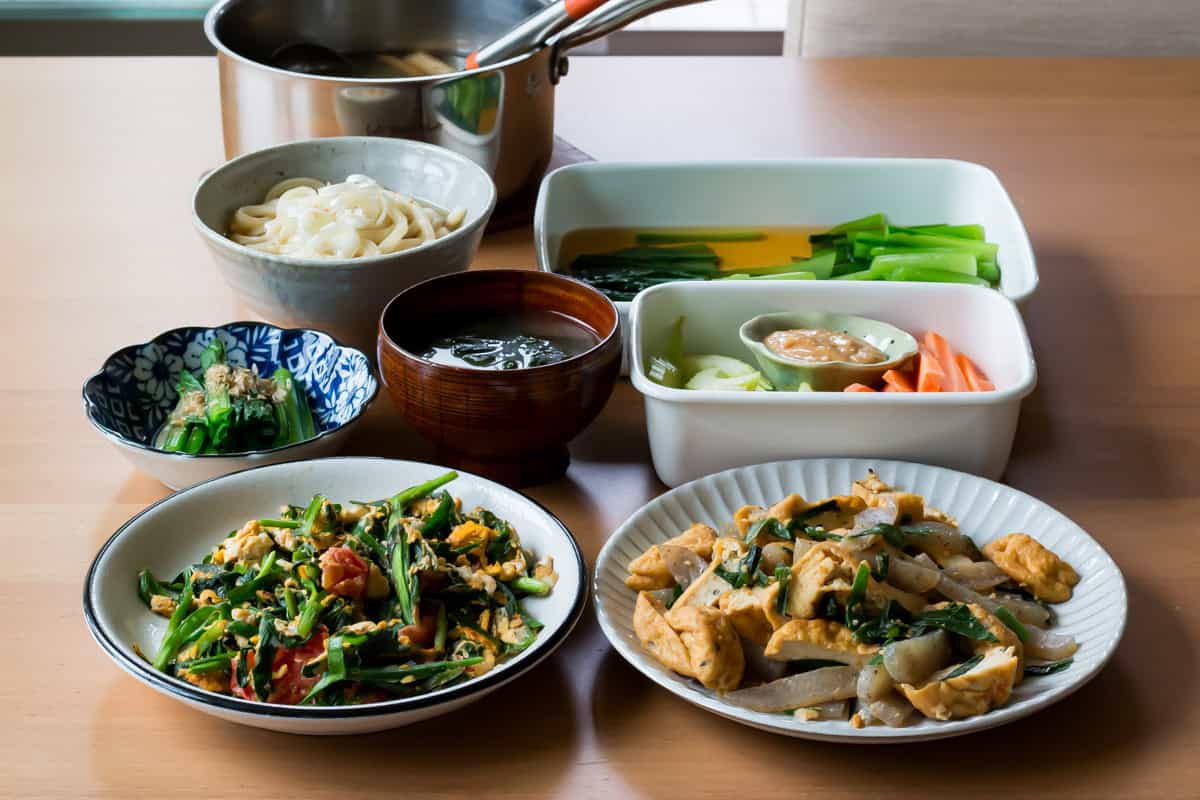
You can make dishes like:
Where to Buy in the USA
If you’re in the U.S., you can find these ingredients at Japanese grocery stores or Asian grocery stores such as:
You can also find more store locations in my Grocery Shopping Guide by signing up through the form below!

Not Sure What to Buy First?
Japanese Grocery Shopping Guide
Quick Recap
You don’t need a huge pantry to start cooking Japanese food. Begin with these five essentials, start simple, and build your pantry over time.
Once you know how these ingredients work, Japanese home cooking becomes much easier, and much more enjoyable!
Watch This Video
Ready to Start Cooking More?
If you’d like to keep learning, here are some helpful guides:
Leave a Comment!
I hope you enjoyed this post! Share your thoughts in the comments below!





Juri Austin
Hi! I’m Juri, founder of Chef JA Cooks and the creator and photographer of this site. I’m here to guide you in authentic yet easy-to-follow Japanese recipes! Let’s explore the world of Japanese cuisine together!